

Conference Chairs
Â
Salk Institute, La Jolla, United States
Terry Gaasterland, Conference Co-chair, University of California San Diego, United States
Richard H. Lathrop, Conference Co-chair, University of California, Irvine, United States
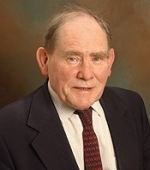
Brenner's notable discoveries span 60 years of research. His insights and questions have introduced entirely new ways of thinking about molecular biology. Brenner established the existence of messenger RNA and demonstrated how the order of amino acids in proteins is determined. His insights helped establish the genetic code. He conducted pioneering work with the roundworm, a model organism now widely used to study genetics. His research with Caenorhabditis elegans garnered insights into aging, nerve cell function and controlled cell death, or apoptosis.
Website: www.hhmi.org/research/fellows/brenner.html

Website: genomes.ucsd.edu
Â
Â
 Richard H. Lathrop, Ph.D., is a Professor in the Department of Computer Science at the University of California, Irvine. He received an undergraduate degree in mathematics from Reed College, a Ph.D. in Artificial Intelligence from MIT, and also holds graduate degrees in computer science and in electrical engineering from MIT. His post-doctoral work was supervised by Patrick Winston and Temple Smith.
Dr. Lathrop's research interests involve applying intelligent systems and advanced computation to problems and data from molecular biology. He co-founded Arris Pharmaceutical Corp. (now Celera Therapeutics) and
Coda Genomics, Inc. (now Verdezyne). His research has appeared on the covers of Communications of the ACM, Journal of Molecular Biology, and AI Magazine. He has received a Best Paper Award from the ACM/IEEE Design Automation Conference, an Innovative Application Award from the AAAI/IAAI Conference, a Best Paper Award from the Genome Informatics Conference, and the Professor of the Year award from the UCI Celebration of Teaching. He is a co-inventor of two US patents. He was a founding officer, and is currently a member of the Board of Directors, of the International Society for Computational Biology.

Burkhard Rost obtained his doctoral degree (Dr. rer. nat.) from the University of Heidelberg (Germany) in the field of theoretical physics. He began his research working on the thermo-dynamical properties of spin glasses and brain-like artificial neural networks. He moved briefly (1988-1990) into peace/arms control research designing simple non-intrusive sensor networks to monitor aircraft. He entered the field of molecular biology at the European Molecular Biology Laboratory (EMBL, Heidelberg, Germany, 1990-1995), spent a year at the European Bioinformatics Institute (EBI, Hinxton, Cambridgshire, England, 1995), returned to the EMBL (1996-1998), joined the company LION Biosciences for a brief interim (1998). In 1998, he joined the Department of Biochemistry & Molecular Biophysics at the College of Physicians and Surgeons of Columbia University in the city of New York. In 2009, he has been awarded one of the first Alexander von Humboldt Professorships that has brought him to the TUM in Munich, where he is now chairing the program of Computational Biology and Bioinformatics.
In 1992, Dr. Rost developed the first Internet server for structure prediction and sequence analysis (PredictProtein), and contributed a number of methods that predict aspects of protein structure. His major research contribution has been the combination of machine learning and evolutionary information. His academic research goal is to contribute toward the understanding of molecular evolution; his technical objective is to contribute toward understanding the impact of molecular changes. Particular focus lies now on predicting the effects of SNPs in the context of individualized medicine and the formation of diversity in general.
Current research focuses on the prediction of protein function from sequence and structure. It includes the prediction of subcellular localization, of protein-protein and protein-substrate interactions, the analysis of protein networks, the development of a dynamic view of the protein sequence/structure universe, the development of improved alignment algorithms, and the development of software systems that meet today’s challenges.
Website: www.rostlab.org
Â
Â
Â
Top
Â