
Leading Professional Society for Computational Biology and Bioinformatics
Connecting, Training, Empowering, Worldwide
Leading Professional Society for Computational Biology and Bioinformatics
Connecting, Training, Empowering, Worldwide

November 16 - 20, 2020
Melbourne, Australia

November 17-20, 2026
Seoul, South Korea
ISCB Collaborative Conference

November 25 - 27, 2026
Rome, Italy
ISCB Collaborative Conference

Jan 3 - 7, 2027
Big Island, Hawai'i

April 20 - 22, 2027
Glasgow, Scotland
ISCB Official Event

May 24 - 27, 2027
Grand Rapids, Michigan, USA

July 18 - 22, 2027
Copenhagen, Denmark

September 28 - October 1, 2027
Singapore
ISCB Collaborative Conference

Bioinformatics Community Events
ISCB's Annual Flagship Meeting
Support the society while achieving your marketing goals
Become an ISCB collaborativeconference, learn more here
Regional, topical, virtual, worldwide - your platform to present science

Dedicated to facilitating development for students and young researchers

The ISCB Affiliates program is designed to forge links between ISCB and regional groups

Topically-focused collaborative communities

Connect with ISCB worldwide

ISCB's environmental sustainability effort

ISCB is committed to creating a safe, inclusive, and equal environment for everyone

Resource library for education and training materials

Search jobs, find talent

Science at the click of the mouse, recorded talks and tutorials

Latest research and publications

Certifying Quality in Computational Biology Education

Guides to help you navigate the ISCB

Latest updates from ISCB

Highlighting Society events, programs, and achievements

Celebrating scientific achievement and innovation

Honoring our distinguished researchers

Recognizing contributions and achievements
In-person Tutorials (All times BST)
Virtual Tutorials: (All times BST) Presented through the conference virtual platform
Room: 11A
Date: July 20, 2025
Start Time: 09:00
End Time: 18:00
Jamie Soul
Jamie Soul, University of Liverpool
Eva Caamano Gutierrez, University of Liverpool
Anthony Evans, University of Liverpool
Max Participants: 30
Omics data analysis presents unique challenges due to its high dimensionality and complexity. Supervised machine learning (ML) offers powerful tools for gaining insights from these data but currently faces a crisis of reproducibility due to poor adherence to best practices when undertaking feature selection, model evaluation, and needs for further interpretability.
This full-day tutorial introduces participants to the common pitfalls and best practices of applying ML to omics research. It exemplifies good practice through example using the Tidymodels framework for ML workflows in R, tailored to omics applications. The course will feature a mixture of lectures, quizzes, real-life coding tutorials and hands-on practicals with 1-1 support. Example applications will illustrate regression analysis with methylation clocks, gene prioritisation and classification with cancer biomarker discovery.
Special attention will be paid to challenges in working with highly multivariate data and integrating various data types as well as providing tips to extract meaningful insights from complex data. Beginner-level R skills are required, and attendees will leave with practical skills to apply Tidymodels to their own datasets.
This course is designed for researchers with at least a basic understanding of R programming and an interest in applying machine learning to omics data analysis. Prior exposure to omics data is beneficial but not mandatory. The course will provide a gentle introduction to relevant concepts while focusing on practical skills development. No prior experience with Tidymodels or advanced machine learning techniques is required. The tutorial is tailored to beginners and those looking to expand their skills in machine learning data analysis using R.
| 09:00-09:45 | Lecture: Introduction to Machine Learning in Omics
|
| 09:45-10:00 | Hand-on: Critical appraisal of published examples Identifying good practice and areas of development. Expand familiarity with best reporting practices. |
| 10:00-10:45 | Tidymodels Framework: A Practical Introduction A follow along tutorial covering:
|
| 10:45-11:00 | Coffee Break |
| 11:00-12:30 | Hands-on: Explore Tidymodels basics with a provided Quarto notebook Participants will work through a quarto notebook at their own pace implementing a simple classification model using the tidymodels framework based on the previous demonstration. |
| 12:30-13:00 | Lecture: Strategies for Managing Large Omics Datasets This lecture will provide strategies for handling the challenges posed by large omics datasets. Topics will include class imbalance, techniques for reducing dimensionality, and feature selection methods. Participants will learn how these methods can enhance model performance and reveal key biological insights. The session will conclude with a quiz to test understanding and reinforce key concepts discussed during the lecture. Jamie Soul |
| 13:00-14:00 | Lunch Break |
| 14:00-15:15 | Hands-on: Using Tidymodels to build a methylation clock In this interactive session, participants will learn how to use the Tidymodels framework to build a cross-validated regression model. The focus will be on predicting the age of an organism using methylation array data, providing a practical introduction to model building, validation, and analysis in the context of biological data. |
| 15:15-15:30 | Lecture: A short snapshot of networks and pathways Introduction to networks and considerations for inclusion for ML Anthony Evans |
| 15:30-16:00 | Hands on: Enhancing Machine Learning with Biological Context: Integrating Networks and Pathways This practical session will explore strategies for incorporating additional biological information, such as networks and pathway data, into machine learning models. Participants will examine how these methods can enhance model performance and biological relevance when applied to the task of gene prioritsation. |
| 16:00-16:15 | Coffee Break |
| 16:15-16:30 | Lecture: a short introduction to gaining model interpretability Introduction to interpreting models and tradeoffs between performance and interpretability. Anthony Evans |
| 16:30-17:30 | Hands On: Identifying biological mechanisms with ML With examples applied to cancer biomarker discovery, participants will explore how interpretable machine learning (ML) techniques can be used to gain insights into biological mechanisms. The session will provide a practical introduction to key interpretability tools, such as SHAP (SHapley Additive exPlanations) values which help understand the relationship between input features and model predictions. |
| 17:30-18:00 | Wrap-Up and Discussion Review of key concepts, Q&A, and discussion of applications to their own research. |
Room: 03A
Date: July 20, 2025
Start Time: 09:00
End Time: 18:00
Martin Kircher
Martin Kircher, University of Lübeck and Kiel University
Max Schubach, Berlin Institute of Health at Charité
Arjun Devadas, University of Lübeck and University Hospital Schleswig-Holstein
Kilian Salomon, Berlin Institute of Health at Charité
Max Participants: 100
This tutorial is designed to empower bioinformatics researchers with the knowledge and skills to effectively utilize Massively Parallel Reporter Assays (MPRAs) data in their work. MPRAs are gaining wider applications across the functional genomics community and are used as part of the Impact of Genomic Variation on Function (IGVF) Consortium. IGVF is a collaborative research initiative funded by the NHGRI that aims to systematically study how genomic variations affect genome function and, consequently, phenotypes. By integrating experimental and computational approaches, IGVF seeks to map and predict the functional impacts of genetic variants, providing a comprehensive catalog of these effects.
This tutorial provides a thorough introduction in MPRAs and IGVF data resources, practical training on MPRA data, and insights into advanced analysis methods for such data. Participants will gain an understanding of MPRA experiments, including their various experimental designs and the rationale for using them in functional genomics. This will involve learning the process of associating tags/barcodes with sequences incorporated in the reporter constructs from raw sequencing reads and counting barcodes from DNA sequencing and RNA expression. The tutorial will guide participants through data processing using MPRAsnakeflow, a streamlined snakemake workflow developed with IGVF for efficient MPRA data handling and QC reporting. Statistical analysis for sequence-level and variant-level effect testing of MPRA count data will be introduced using BCalm, a barcode-level MPRA analysis package developed as part of our IGVF efforts.
Further, the tutorial will provide a starting point for training (deep learning) sequence models on MPRA data and related functional genomics datasets. Participants will learn how to extract meaningful insights from their datasets by investigating the sequence activity relationship and extracting important sequence motifs. By integrating these topics and methods, participants will leave the tutorial equipped with both theoretical knowledge and practical skills necessary for analyzing and using MPRA data effectively.
Beginner
| 09:00-09:15 | Welcome and introduction to the schedule |
| 09:15-09:30 | Tutorial materials access and setup of the Google CoLab environment Participants that fail with setting up their access und CoLab will be brought outside of the seminar room and helped by other speakers while the theoretical introductions commence |
| 09:30-09:50 | Lecture: IGVF and its data access Introduction to the IGVF mission and how to access its data |
| 09:50-10:15 | Lecture: Fundamentals of MPRA Experiments Explanation of experimental design, including the association of barcode/tag sequences to tested regulatory sequences and variants. |
| 10:15-10:45 | Coffee break |
| 10:45-11:05 | Hands-on: Association of Barcode/Tag Sequences Participants will learn how to associate barcode/tag sequences with designed oligos using the association step of the MPRAsnakeflow pipeline on a subsetted/small dataset. |
| 11:05-11:30 | Hands-on: Count Sequencing Analysis We will demonstrate how to count barcodes in both DNA and RNA sequencing on a subsetted/small dataset. |
| 11:30-11:50 | Discussion of QC metrics We will discuss the QC parameters and plots returned by MPRAsnakeflow for the full data set, emphasizing the importance of accurate quantification in MPRA experiments. |
| 11:50-12:30 | Hands-on: Data Analysis Steps (Regions and Variants) We will walk through potential analytical steps for utilizing count tables and perform statistical analysis using BCalm to identify regions with high activity compared to other sequences in the assay. Additionally, we will highlight methods for identifying variants with significant differences between reference and alternative sequences within designed oligos. |
| 12:30-13:30 | Lunch break |
| 13:30-13:50 | Lecture: Modeling of regulatory activity with sequence models We will provide a brief introduction and review of modeling efforts for sequence activity using gapped kmers, convolutional neural networks and language model approaches. |
| 13:50-14:30 | Hands-on: Training a sequence based model We will walk through the steps of training a model based on the DeepSTARR CNN architecture. |
| 14:30-14:50 | Discussion of pre-training and fine-tuning approaches We discuss the opportunity of pre-training convolutional layers on open chromatin data from multiple cell-types and fine-tuning these convolutions on MPRA data vs. using a language model like NT to train MPRA activity models. |
| 14:50-15:30 | Hands-on: Interpreting models with in-silico mutagenesis Supported by tools like TF-MoDISco for motif discovery, participants will investigate important transcription factor binding motifs using models trained on sequence data that predict activity. We will assess whether these motifs exert activating or repressing effects by comparing the activity of sequences with and without these identified motifs in the cell-type of interest. |
| 15:30-16:00 | Coffee break |
| 16:00-16:40 | Hands-on: Linking motifs to variant effects We will identify transcription factor binding sites (TFBS) overlapping significant variants using motifs derived from model interpretation or available position weight matrices (PWMs) to support the interpretation of variant effects. |
| 16:40-16:50 | Discussion of data limitations We discuss the limitations of variant effects in various sequence contexts. We consider the effects of studying only few or related cell-types and the sensitivity of the available modeling approaches for cell-type effects. |
| 16:50-17:20 | Participant questions and feedback |
| 17:20-17:30 | Concluding remarks by the speakers |
Room: 04AB
Date: July 20, 2025
Start Time: 09:00
End Time: 18:00
Aleena Mushtaq
Mallory Freeberg, EMBL's European Bioinformatics Institute (EMBL-EBI)
Aleena Mushtaq, EMBL's European Bioinformatics Institute (EMBL-EBI)
Diana Lemos, EMBL's European Bioinformatics Institute (EMBL-EBI)
James Stephenson, EMBL's European Bioinformatics Institute (EMBL-EBI)
Sarah Hunt, EMBL's European Bioinformatics Institute (EMBL-EBI)
Irene Lopez Santiago, Open Targets Bioinformatician (EMBL - EBI)
Genevieve Evans, EMBL's European Bioinformatics Institute (EMBL-EBI)
Max Participants: 40
The interpretation of genetic variation is important for understanding human health and disease. Increased knowledge leads to societal benefits including faster disease diagnosis, a better understanding of disease progression, more efficient identification and prioritisation of drug targets for testing, resulting in overall better health outcomes for a population. Whilst the speed and cost of sequencing has reduced, the complexity of variant interpretation remains a bottleneck for understanding. This tutorial will explore the variety of annotations and techniques available to assess human variation and the implications of variant effects on human health and disease.
By the end of the tutorial, we expect participants will be able to:
Attendees should have an undergraduate degree / diploma level understanding of molecular biology, genetics, or biochemistry. It is a tutorial offered at the beginner level and no prior background in variant interpretation is required. Participants must be comfortable using web browsers. Laptop computers with an Internet connection will be required for the tutorial sessions.
| 09:15-09:30 | Lecture 1: Introduction - The challenge of variant interpretation Variation in context of human health |
| 09:30-10:00 | Lecture 2: - Genomic Annotation for variation datasets Public annotation datasets, Variation sources, Transcript based annotations, Non-coding variation, Structural variation |
| 10:00-10:45 | Hands-on 1: Annotating and predicting molecular variant effect Variant prioritisation and scoring methods |
| 10:45-11:00 | Break |
| 11:00-11:15 | Lecture 3: Understanding Variant Effects Using Protein Structure Protein position, interaction and complexes for variant interpretation, Alphafold3 and predicted structures |
| 11:15-11:45 | Lecture 4: Understanding Variant Effects Using Protein Function Combining functional, structural and population annotations to contextualise variant effects in proteins |
| 11:45-12:15 | Hands-on 2: Using protein databases to investigate variant impact Using structural information to interpret variant effect |
| 12:15-12:45 | Lecture 5: Deep Mutational Scanning Genome Editing for Variant Analysis |
| 12:45-14:00 | Lunch Break |
| 14:00-14:30 | Lecture 6: Utilising clinical data in variant prioritisation and classification, Applications fordisease research and genomic diagnosis, DECIPHER, G2P, and GWAS Catalog |
| 14:30-15:00 | Lecture 7: Target tractability and drug associations Target prioritisation for drug discovery, Case studies |
| 15:00-16:00 | Group Projects Hands on activity using bioinformatics resources for variant interpretation |
| 16:00-16:15 | Break |
| 16:15-17:00 | Group Projects Hands on activity using bioinformatics resources for variant interpretation |
| 17:00-17:45 | Presentations from groups Present to peers to discuss ideas and future work |
| 17:45-18:00 | Closing Remarks |
Room: 03B
Date: July 20, 2025
Start Time: 09:00
End Time: 18:00
Aritra Bose
Aritra Bose, IBM Research
Hakan Doga, IBM Research
Akhil Mohan, Cleveland Clinic
Laxmi Parida, ISCB Fellow
Bryan Raubenolt, Cleveland Clinic
Filippo Utro, IBM Research
Max Participants: 50
Single-cell and population-level multi-omics analyses have greatly enhanced our understanding of biological complexity. By integrating various types of biological data—such as genomics, proteomics, and transcriptomics, collectively known as multi-omics—these approaches have provided deep insights into the molecular mechanisms underlying complex diseases, both at the cellular level and across patient populations. As the size and complexity of multi-omics data continues to grow, the need to leverage emerging technologies such as artificial intelligence (AI) and quantum computing (QC) also grows. Recently, advances in QC have shown promise in solving real-world problems in machine learning and optimization in biomedicine, drug discovery, biomarker discovery, clinical trials, among other healthcare and life sciences objectives [1,2,3,4,5].
In this tutorial, participants will learn the fundamental concepts of QC, engage in hands-on experiments that apply classical machine learning (ML) techniques. They will also learn best practices for pre-processing multi-omics data in preparation for quantum machine learning (QML) tasks. Through a systematic evaluation of various data complexity measures and their impact on the performance of different ML and QML models, participants will gain insights into when to effectively utilize QML models. Additionally, they will explore quantum-classical hybrid workflows for ML, with a focus in biomedical data analysis.
This tutorial is aimed at computational biologists, bioinformaticians, clinicians, practitioners, data analysts, including early-career to senior researchers in the fields of healthcare and life sciences enthusiastic to learn about new frontiers of computational biology. There are very few prerequisites for the tutorial, listed as follows:
| 09:00-09:20 | Welcome Remarks and Introduction |
| 09:20-10:00 | Hands-on: Quantum computing fundamentals with Qiskit |
| 10:00-10:45 | Current state of Quantum Machin Learning |
| 10:45-11:00 | Coffee Break |
| 11:00-11:30 | Data and Complexity measures |
| 11:30-12:00 | Quantum Kernel methods |
| 12:00-13:00 | Hands-on: Applying a Quantum-Classical machine learning benchmarking tool on omics data |
| 13:00-14:00 | Lunch |
| 14:00-15:00 | Hands-on: Implementing Quantum Kernel methods |
| 15:00-16:00 | Hands-on: Execute the benchmarking tool on omics data |
| 16:00-16:15 | Coffee Break |
| 16:15-17:15 | Hands-on: Review results from the benchmarking tool |
| 17:15-17:45 | Result Read-outs |
| 17:45-18:00 | Furute Directions & Concluding Remarks |
Room: 12
Date: July 20, 2025
Start Time: 09:00
End Time: 13:00
Handan Melike Dönertaş
Handan Melike Dönertaş, Fritz Lipmann Institute on Aging
Mark Olenik, Fritz Lipmann Institute on Aging
Tayyaba Alvi, Fritz Lipmann Institute on Aging
Max Participants: 20
Mendelian randomisation (MR) is a method that uses genetic variation associated with an exposure (e.g., behaviours, biomarkers) to infer its causal effect on an outcome (e.g. health status). In statistical terms, it functions as an "instrumental variable" approach.
By mimicking the design of a randomised controlled trial through genetic inheritance, MR provides a framework for addressing confounding and reverse causation, making it a valuable tool in epidemiological and biomedical research.
This workshop offers a beginner-friendly introduction to the key concepts and assumptions underlying MR, such as the use of genome-wide association study (GWAS) data and the three key assumptions for valid instrumental variables: relevance, independence, and exclusion restriction. Participants will explore common challenges in MR analysis, including pleiotropy, population stratification, and measurement error while learning strategies to overcome these using advanced methods. The workshop also includes a two-hour hands-on session in which attendees will work with real-world data to conduct MR analyses using R. By the end of the session, participants will have a clear understanding of MR principles, the ability to critically evaluate MR studies, and practical skills to apply MR methods in their own research.
This workshop is designed for researchers and students new to MR or looking to incorporate it into their studies. No prior experience is required, although familiarity with R is required.
| 09:00-09:45 | Introduction to Mendelian Randomization
|
| 09:45-10:45 | Challenges in Mendelian Randomization
|
| 10:45-11:00 | Coffee Break |
| 11:00-13:00 | Hands-On Tutorial in R
|
Room: 11BC
Date: July 20, 2025
Start Time: 09:00
End Time: 13:00
Geraldine Van der Auwera
Geraldine Van der Auwera
Max Participants: 30
Nextflow is a powerful and flexible open-source workflow management system that simplifies the development, execution, and scalability of data-driven computational pipelines. It is widely used in bioinformatics and other scientific fields to automate complex analyses, making it easier to manage and reproduce large-scale data analysis workflows.
This training workshop is intended as a “getting started” course for students and early-career researchers who are completely new to Nextflow. It aims to equip participants with foundational knowledge and skills in three key areas: (1) understanding the logic of how data analysis workflows are constructed, (2) Nextflow language proficiency and (3) command-line interface (CLI) execution.
Participants will be guided through hands-on, goal-oriented exercises that will allow them to practice the following skills:
By the end of the workshop, participants will be well-prepared for tackling the next steps in their journey to develop and apply reproducible workflows for their scientific computing needs. Additional study-at-home materials will be provided for them to continue learning and developing their skills further.
We have delivered versions of this tutorial session at both online and in-person events previously (total of ~300 participants since May 2024), and have typically had to turn away would-be participants due to higher demand than we could accommodate. Post-event satisfaction surveys have typically shown the material was very well received. We are continuing to further expand and refine the material based on participant feedback.
| 09:00-10:00 | Hello World Basic components and principles involved in assembling and running a Nextflow workflow.
|
| 10:00-10:20 | Hello Containers Using containers as a mechanism for managing software dependencies in the context of reproducible bioinformatics workflows. |
| 10:20-10:50 | Hello Config Setting up and managing a pipeline’s configuration to customize its behavior, adapt it to different environments, and optimize resource usage. |
| 10:50-11:05 | Hello Modules Using code modules to make pipeline development and maintenance more efficient and sustainable. |
| 11:05-11:20 | Next steps Overview of educational resources that participants can use to continue developing their Nextflow skills. Includes several domain-specific tutorials (currently Genomics, RNAseq in development) that provide a practical application of the concepts learned in this workshop to relevant use cases, and an orientation to the nf-core ecosystem of tools and pipelines that can be used out-of-the-box or as building blocks for customized solutions. |
Room: 11BC
Date: July 20, 2025
Start Time: 14:00
End Time: 18:00
Xuegong Zhang
Xuegong Zhang, Tsinghua University
Chen Li, Tsinghua University
Erpai Luo, Tsinghua University
Mo Chen, Tsinghua University
Max Participants: 50
Transformer-based large language models (LLMs) are changing the world. The capabilities they illustrated in sophisticated natural language, vision and multi-modal tasks have inspired the development of large cellular models (LCMs) for single-cell transcriptomic data, such as scBERT, Geneformer, scGPT, scFoundation, GeneCompass, scMulan, etc. After pretraining on massive amount of single-cell RNA-seq data agnostic to any downstream task, these transformer-based models have demonstrated exceptional performance in various tasks such as cell type annotation, data integration, gene network inference, and the prediction of drug sensitivity or perturbation responses. Such advancements, albeit still in their early stage, suggested promising revolutionary approaches for leveraging AI to understand the complex system of cells from extensive datasets beyond human analytical capacity. Especially, such models have made it possible to conduct in-silico perturbation on cells of various types to predict their responses to gene perturbations without doing experiments on the cells. These models provided prototypes of digital virtual cells that can be used to reconstruct and simulate live cells, which will revolutionize many aspects of future biomedical studies.
Although the community is high enthusiastic to these exciting progresses, the structures and algorithms of LCMs and other similar-scale AI models are mysterious to many people who were not equipped with relevant backgrounds. This tutorial will try to fill this gap. In the tutorial, we will begin from an introduction of basic principles of deep neural networks, and explain the basic structure and algorithm of the original Transformer for natural language tasks. We’ll show to the attendees how to build such models based on current machine learning platforms. Then we’ll introduce several successful ways to build large cellular models based on the basic Transformer model, and overview how such models are pretrained on single-cell RNA-seq data. We’ll show and let the attendees to practice how to use LCMs for basic tasks such as cell type annotation, and look into the specific application of LCMs on in-silico perturbation tasks. Attendees will engage in hands-on activities such as building basic transformer models and executing downstream single-cell tasks, including cell type annotation and in-silico perturbation. These activities will remove the mystery of LCMs for the attendees and help them better understand and feel how LCMs can be built and applied.
Attendees will build up their basic understanding of deep neural networks, Transformers, LLMs and LCMs. They will gain hands-on experiences on building such models and using existing models for downstream tasks. The particular knowledge and skill they’ll learn from this tutorial include:
This tutorial is designed to be friendly for everyone who is interested in current AI but does not know much about how it works, including computational biologists, biologists, clinicians, or other professionals. For those who know something about AI and who had some pervious experiences on it, the tutorial will provide deeper understandings and hands-on experiences on advanced virtual cell applications of LCMs. Attendees are expected to have some basic knowledge of Python programming for completing the hands-on activities.
| 14:00-14:30 | Introduction to artificial neural networks and deep learning |
| 14:35-15:10 | Introduction to language models and Transformers |
| 15:10-15:25 | Coffee break |
| 15:25-15:55 | Basic structure and components of transformer-based LCMs |
| 15:55-16:15 | Hands-on: Build transformer model with Python
|
| 16:15-16:45 | LLMs for in-silico perturbation |
| 16:45-17:00 | Coffee break |
| 17:00-17:20 | Hands-on: in-silico gene perturbation
|
| 17:20-17:40 | Discussions |
| 17:40-18:00 | Summary |
Room: 12
Date: July 20, 2025
Start Time: 14:00
End Time: 18:00
Fabiana Goes
Fabiana Goes, The Rosalind Franklin Institute
Aparajita Karmakar, The University of Edinburgh and The Rosalind Franklin Institute, UK
Max Participants: 15
Machine learning (ML) has been successfully applied in different omics problems, such as sequence classification in the field of genomics. The effectiveness of ML methods relies greatly on the selection of the data representation, or features, that extract meaningful information from sequences. Genomic sequences can be viewed as one-dimensional strings of successive letters representing nucleotides. However, to make these sequences compatible with ML methods, they must first be transformed into structured numerical representations, such as vectors or matrices. Traditional methods for sequence classification often rely on manually crafted or pre-defined features, which require domain expertise and may not fully capture the complexity of the underlying biological information. Recently, representation learning has emerged as a powerful alternative, enabling the automatic extraction of latent patterns directly from raw data and reducing the dependence on manually crafted features. In genomics, representation learning methods have been introduced to characterize DNA and RNA sequences. In genomics, techniques like Word2Vec, Convolutional Neural Networks (CNNs) and Large Language Models (LLMs) have demonstrated the ability to learn optimal sequence representations that effectively capture both local and global patterns in DNA and RNA sequences.
This tutorial provides a comprehensive introduction to feature engineering and representation learning for genomic sequences (DNA/RNA). Participants will explore traditional techniques for extracting features from genomic sequences, building a foundation in classical approaches. Furthermore, the tutorial will cover representation learning, introducing concepts such as embeddings and their applications. Topics include methods such as Word2vec and LLMs to obtain meaningful representations from genomic sequences. Through hands-on exercises and comparative analyses, attendees will learn to combine traditional feature engineering with representation learning approaches, developing practical skills and insights that are adaptable to diverse genomic research challenges. The goal is to offer participants the knowledge and tools to enhance genomic sequence analysis using different techniques for sequence representation.
This tutorial is designed for participants at different academic levels, from undergraduate students to early career researchers, as well as scientists from both academic and industry backgrounds, who have an interest in genomic sequence analysis and Machine Learning. We encourage participants to follow along with the hands-on exercises, whether they choose to actively participate or simply observe. For those who wish to engage in hands-on training, we recommend having a basic understanding of a few prerequisites: familiarity with running commands in a terminal, foundational knowledge of computer programming (preferably in Python), and a basic understanding of Machine Learning concepts.
The slides and materials for the hands-on exercises (scripts and datasets) will be shared online prior to the tutorial. All resources will be freely accessible to participants through a dedicated GitHub repository.
| 14:00-14:45 | Lecture: Exploring Traditional Feature Engineering in Genomics
|
| 14:45-15:45 | Hands-on: Feature Extraction in Practice — Crafting Descriptors for Genomic Analysis
|
| 15:45-16:00 | Coffee Break |
| 16:00-16:45 | Lecture: Decoding the Genomic Language — Embeddings and Representations for Genomic Sequences
|
| 16:45-18:00 | Hands-on: Embedding Genomic Data — From Word Embeddings to Large Language Models
|
Room: Virtual
Date: July 14, 2025
Start Time: 09:00
End Time: 18:00
Emily Johnson
Emily Johnson, University of Liverpool
Euan McDonnell, University of Liverpool
Lauren Mee, University of Liverpool
Max Participants: 30
This full-day tutorial introduces participants to the principles of impactful data visualisation and equips them with the skills to create publication-ready visualisations for -omics data. Designed for beginners with basic knowledge of the R programming language, the tutorial will guide attendees through creating and interpreting key visualisations such as volcano plots, box plots, heatmaps, dot plots, and network diagrams.
Participants will work with real biological datasets in Quarto notebooks and learn how to use tools like ggplot2, ComplexHeatmap, igraph, ggraph, and ClusterProfiler. Through hands-on coding exercises and interactive lectures, attendees will develop an intuition for ggplot2’s grammar of graphics, best practices in data visualisation, and the application of functional enrichment methods to contextualise results.
Whether you are a student or researcher wanting to improve your visualisation skills, or a computational biologist looking to enhance the presentation of your results, this tutorial will provide the tools and knowledge to produce professional-quality figures.
Beginner. This tutorial is suitable for students and researchers want to learn more about common omics visualisations and how to produce them, and computational biologists that might want to enhance their visualisations. Basic familiarity with R is recommended to get the most out of the tutorial. Prior exposure to omics data is beneficial but not mandatory for this tutorial.
| 09:00-09:45 | Lecture: Introduction to Data Visualization
|
| 09:45-10:30 | Lecture: introduction to ggplot2
|
| 10:30-10:45 | 10:30 - 10:45: Coffee Break |
| 10:45-12:00 | Hands-on: plotting omics data with ggplot2 A follow along tutorial covering volcano plots and box plots to explore a differential expression analysis. For each type of visualisation, we will start from the most basic way to produce the plot and iteratively build up the plot to create an intuition for ggplot2 syntax. Themes and colour palettes will also be introduced during this session. The differential expression analysis results will be pre-processed. |
| 12:00-13:00 | 12:00 - 13:00: Lunch Break |
| 13:00-13:45 | Hands-on: creating heatmaps with ggplot2 and ComplexHeatMap A follow along tutorial that builds on from the morning practical. Participants will first create heatmaps using ggplot2, then they will be introduced to a more advanced heatmap-specific package: ComplexHeatMap. The merits of both approaches will be compared. The participants will also be introduced to the idea of clustering their data for visualisation purposes. |
| 13:45-14:15 | Lecture: networks and how to interpret them
|
| 14:15-15:30 | Hands-on: creating network visualisations with igraph and ggraph Hands-on coding session where attendees will use igraph and ggraph to create network diagrams. Attendees will learn about different network layouts, how to identify and emphasise certain network structures and how to use igraph outputs as an input for ggraph (a package which is built on ggplot2 and compatible with tidyverse workflows) – for high quality and high-resolution network visualisations. |
| 15:30-15:45 | Coffee break |
| 15:45-16:15 | Lecture: Contextualising Results with Functional Enrichment
|
| 16:15-17:30 | Hands-on: ORA and GSEA practical Hands-on coding session using the ClusterProfiler package to perform ORA and GSEA on the results of a differential expression analysis. Participants will produce dot plots and ridge plots and compare the outputs of the two approaches. We will cover best practices for ORA and GSEA. There will be additional supplementary content including how to carry out functional enrichment for non-model organisms and advanced analysis such as Gene set variation analysis (GSVA). |
| 17:30-18:00 | Wrap-Up and Discussion
|
Room: Virtual
Date: July 15, 2025
Start Time: 09:00
End Time: 18:00
Ragothaman M. Yennamalli
Ragothaman M. Yennamalli, SASTRA Deemed to be University
Shashank Ravichandran, Incedo Inc
Megha Hegde, Kingston University London
Jean-Christophe Nebel, Kingston University London
Farzana Rahman, Kingston University London
Max Participants: 30
Data Science and Machine Learning are intricately connected, particularly in computational biology. In a time when biological data is being produced on an unprecedented scale — encompassing genomic sequences, protein interactions, and metabolic pathways- meeting the demand has never been more crucial.
Data visualization plays a crucial role in biological data sciences since it allows the transformation of complex, often incomprehensible raw data into visual formats that are easier to understand and interpret. This allows biologists to recognize patterns, anomalies, and correlations that would otherwise be lost in the sheer volume of data. In addition, machine learning (ML) has brought about a revolution in the analysis of biological data. Exploiting extensive datasets, ML provides tools to model complex systems and generate predictions. Indeed, ML algorithms excel at uncovering subtle patterns in data, contributing to tasks like predicting protein structures, comprehending genetic variations and their implications for diseases, and even facilitating drug discovery by predicting molecular interactions.
The integration of data visualization and machine learning is particularly powerful. In particular, visualization may aid in interpreting machine learning models, allowing biologists to understand and trust their predictions. It could also help fine-tune these models by identifying outliers or anomalies in the data.
Due to its remarkable capability, there has been a surge in the development and application of tools that combine data visualization and machine learning in biology. Platforms that integrate these technologies enable biologists to conduct comprehensive analyses without needing deep expertise in computer science. Assuredly, this democratization of data science and ML has empowered more and more biologists to engage in sophisticated, data-driven research.
This tutorial is divided into two parts. In the first part of the tutorial, the participants will learn how to install
and use tools for data visualization using Python.
The second part will focus on installing and using ML tools for feature selection, model training, and model optimization using Python.
By the end of this tutorial, the participants will be able to:
The tutorial is aimed towards participants at the level of Graduate students, researchers, and scientists in both
academia and industry who are interested in Data Visualization and ML. Prerequisites: Basic to intermediate
knowledge in Python and basic knowledge in machine learning.
| 09:00-10:00 | Lecture: Introduction to Data visualization: Importance and Basic principles of data visualization in scientific research Jean-Christophe Nebel |
| 10:00-10:45 | Hands-on: Python Libraries for Visualization: Matplotlib, Seaborn, Plotly and others Farzana Rahman, Ragothaman Yennamalli, Shashank Ravichandran, and Megha Hegde |
| 10:45-11:00 | 10:45AM - Coffee/Tea Break |
| 11:00-12:00 | Lecture: Colour theory in Visualization: Colour palettes, Accessible and Inclusive visualizations Ragothaman Yennamalli |
| 12:00-13:00 | Hands-on: Creating various types of charts, plots for clarity and aesthetics Case studies with real world datasets Farzana Rahman, Ragothaman Yennamalli, Shashank Ravichandran, and Megha Hegde |
| 13:00-14:00 | Lunch Break |
| 14:00-15:00 | Lecture: Fundamentals of Machine Learning: Types of ML, Data preprocessing and feature selection, model selection and training Ragothaman Yennamalli and Farzana Rahman |
| 15:00-16:00 | Hands on: Python libraries for Machine Learning: Scikit-learn, Pandas, NumPy, TensorFlow/Keras Building models using real-world biological data Shashank Ravichandran, and Megha Hegde |
| 16:00-16:15 | Coffee/Tea Break |
| 16:15-17:15 | Hands on: Integrating Data Viz and ML: Yellowbrick, Bokeh, Tensorboard, Scikit-plot, etc. Farzana Rahman and Megha Hegde |
| 17:15-18:00 | Question and Answer session Identify and highlight blocks of hands-on content in your submission |
Room: Virtual
Date: July 15, 2025
Start Time: 09:00
End Time: 13:00
Giulia Cesaro
Giulia Cesaro, University of Padova
James Shiniti Nagai, RWTH Aachen University
Mayra Ruiz, RWTH University Hospital
Barbara di Camillo, University of Padova
Ivan G. Costa, RWTH University Hospital
Giacomo Baruzzo, University of Padova
Max Participants: 40
Tissues and organs are complex and highly-organized systems composed of diverse cells that work together to maintain homeostasis, drive development and mediate complex disease progression as Myocardial Infarction (Kuppe et al. 2022). A key focus of modern biology is understanding how heterogeneous populations of cells coexist and communicate with each other (intercellular signaling), how they properly respond (intracellular signaling) within a tissue and organ system and how these processes vary across different experimental conditions (comparative analysis). Recently, a rapid expansion of computational tools exploring the expression of ligand and receptor has enabled the systematic inference of cell-cell communication from single-cell transcriptomics and spatial transcriptomics data (Armingol et al. 2021; Armingol, Baghdassarian, and Lewis 2024). These are crucial in unravelling the complex landscape of biological systems.
This tutorial aims to provide a comprehensive introduction to computational approaches for cell-cell communication inference using high throughput transcriptomics data. It covers the fundamental concepts of cellular communication and assumptions underlying analysis focusing on the main computational methods used in the field. This includes computational approaches for inter-cellular communication inference (CellphoneDB (Efremova et al. 2020); LIANA (Dimitrov et al. 2022, 2024)) and for intra-cellular signals communication (scSeqComm (Baruzzo, Cesaro, and Di Camillo 2022); NicheNet (Browaeys, Saelens, and Saeys 2019)). Next, we will describe approaches for comparative analysis of cell-cell networks in distinct biological conditions (CrossTalkeR (Nagai et al. 2021)) and methods for spatially resolved cell-cell communications (Ischia (Regan-KomitoDaniel 2024); DeepCOLOR (Kojima et al. 2024)).
In the first part of the tutorial, participants will be introduced to the theoretical basis of state-of-the-art computational approaches and will learn how to use representative tools for inferring intercellular signaling and intracellular signaling pathways. In the second part, we will focus on the comparative analyses, i.e. changes of cell-cell communication in two conditions, and subsequently highlighting the unique insights spatial transcriptomics data can provide for understanding tissue architecture and cellular communication. Both sections will be followed by a hands-on component based on the analysis of single cell and spatial transcriptomics data from the myocardial infarction atlas (Kuppe et al. 2022). To promote transparency, all the codes, software tools and the datasets used throughout the tutorial will be available and accessible through open-access repositories (e.g. GitHub repositories or Zenodo platforms).
This tutorial is aimed at Master’s or PhD students, as well as researchers in the fields of bioinformatics, computational biology, medical informatics, and related fields. It is designed for those who are users and/or developers of bioinformatics software and are interested in incorporating cell-cell communication analysis into their workflows. The tutorial is suitable for beginner to intermediate users of computational tools and those looking to expand their skill set in cell-cell communication analysis. Basic knowledge of R and Python is strongly recommended, as well as previous experience in gene expression and next-generation sequencing analysis.
| 09:00-09:30 | Introduction to computational inference of intercellular and intracellular cell-cell communication Overview of cell-cell communication inference, assumptions and challenges, a priori biological knowledge, current approaches for intercellular and intracellular signaling Di Camillo, Baruzzo |
| 09:30-10:30 | Hands-on analysis of Myocardial Infarction scRNA-seq Presentation of case study: human myocardial infarction, tutorial on cell-cell communication analysis from single cell transcriptomics data Cesaro (Helpers: Baldan Matteo and Tussardi Gaia) |
| 10:30-10:45 | Coffee Break |
| 10:45-11:15 | Introduction to comparative analysis of cell-cell communication and spatial analysis Overview of cell-cell communication comparative analysis and computational approaches, spatial transcriptomics technologies and platforms: pro and cons Costa |
| 11:15-11:45 | Hands on analysis of Myocardial Infarction ST and scRNA-seq (part 1) Tutorial on comparative analysis from single-cell transcriptomics and spatial transcriptomics data using myocardial infarction case study Nagai, Ruiz (Helpers: Thiago Maié and Kai Peng) |
| 11:45-12:00 | Coffee Break |
| 12:00-12:45 | Hands on analysis of Myocardial Infarction ST and scRNA-seq (part 2) Tutorial on comparative analysis from single-cell transcriptomics and spatial transcriptomics data using myocardial infarction case study Nagai, Ruiz (Helpers: Thiago Maié and Kai Peng) |
| 12:45-13:00 | Q&A Conclusion |
Room: Virtual
Date: July 15, 2025
Start Time: 14:00
End Time: 18:00
Maria Skrabisova
Trupti Joshi, University of Missouri-Columbia
Yen On Chan, University of Missouri-Columbia
Maria Skrabisova, Palacky University in Olomouc
Jana Biova, Palacky University in Olomouc
Max Participants: 50
The urgent need for crop improvement is hindered by the lack of precision in crop breeding. Although significant progress has been made in genomics, many causal genes of important agronomic and nutritional traits remain unknown. This is due to the inefficient identification of causal genetic features in candidate genes. With the growing body of sequencing data and phenotype information, current advances in genomics and the development of bioinformatics tools offer improvements in candidate gene selection. In this workshop, SoyHUB, the suite of tools, strategies, and solutions for soybean applied genomics, will be presented along with its extension to other crops at KBCommons. Our methodology for data integration, curation, reuse, and leveraging will be highlighted. Practical utilization of integrated data with the tools will be demonstrated. We will focus on the selection of best-performing markers, identification of causal genes, and exploration of alleles and genomic variation. We will cover simple Mendelian traits, showing how to analyze variation in protein-coding regions and promoters and touch on copy number variation. Solutions for complex cases, such as multiple independent alleles in a single gene or quantitative traits, will also be introduced. This workshop will highlight recent achievements in leveraging big data to improve precision in GWAS-driven discoveries and, therefore, accelerate the breeding of soybean and other crops.
Graduate students, researchers, scientists, and practitioners in both academia and industry who are interested in applications of bioinformatic tools for crop breeding improvement. The tutorial is aimed towards entry-level participants with knowledge of the fundamentals of biology and bioinformatics (beginner). No prior experience with Python programming language is assumed, but familiarity with working on Unix-based systems is strongly recommended for the participants.
The tutorial slides and materials for hands-on exercises (e.g., links to demo, code implementation, datasets) will be posted online prior to the tutorial and made available to all participants.
| 14:00-14:45 | Translational Bioinformatics Frameworks and AI Solutions for Multiomics Research Next-generation sequencing and multiomics data (bulk and single-cell) capturing molecular changes from genomics all the way to phenomics, have become an integral part of research in all domains including biomedical sciences, plants sciences, and others. This rapid revolution in the multiomics has posed a growing need for translational tools that can handle large amounts of data, are easily expandable, provide interpretable results and can be readily applied to any species. To address such translational needs, we have developed Soybean Knowledge Base (SoyKB) and Knowledge Base Commons (KBCommons) web-based frameworks, both fully equipped to handle the entire multiomics landscape for all organisms. SoyHUB within SoyKB provides access to our developed suite of tools such as AccuTool, Allele Catalog, GenVarX, MADis and others, specifically designed to provide the plant community with efficient data driven solutions for better breeding strategies. Additionally, our G2PDeep, deep learning method, provides a comprehensive web-based resource for phenotype predictions using multiomics data for all organisms. Trupti Joshi |
| 14:45-15:40 | Diversity Panel Creation and Resequencing Data Curation Using SnakyVC Pipeline, Allele Catalog Pipeline, and Allele Catalog Tool (hands-on) With the growing availability of large-scale genomic datasets, in silico identification of causal genes and crop improvement have become more achievable. However, extracting meaningful insights from these datasets often requires extensive data processing using various computational tools, which can be time-intensive due to sequential tool transitions. To address this challenge, we developed SnakyVC, a scalable variant calling pipeline to process large-scale whole-genome resequencing (WGRS) data, and an Allele Catalog Pipeline to annotate SNPs and Indels and generate Allele Catalog datasets. These high-efficiency and parallelizable pipelines can be deployed on standalone servers or high-performance computing clusters to significantly reduce computational time. To expand the benefits of the Allele Catalog datasets, the web-based Allele Catalog Tool has been developed and integrated into the SoyKB and KBCommons web platforms. This tool enables researchers to query and visualize alleles within genes, functional annotations, accession metadata, and phenotype distributions. Currently, this tool supports a wide range of organisms including soybean, Arabidopsis , poplar, rice, sorghum, and maize. With its extensive functionalities and new organism integration capabilities, the Allele Catalog Tool facilitates the discovery of novel alleles and the selection of plant accessions for improved breeding strategies and agricultural traits. Together, these tools empower researchers to efficiently process genomic data and enhance crop improvement efforts. Yen On Chan |
| 15:40-16:00 | Coffee break |
| 16:00-17:45 | Utilization of the SoyHUB tools in Post-GWAS analyses (hands-on) This hands-on tutorial will cover approaches and strategies in applied genomics that have been developed for Soybean and are available for adoption for other crops. Using SnakyVC, we created a panel of diverse resequenced soybean accessions. To explore the genetic diversity of Soy2939, we demonstrate the use of a gene-centric toolbox for post-GWAS analysis, SoyHUB. Specifically, we will present allele mining in protein-coding regions (Soybean Allele Catalog), gene regulatory regions (GeneVarEx), and intergenic regions (SNPViz v2.0). Additionally, we will introduce a post-GWAS strategy, the Synthetic Phenotype to Causative Mutation (SP2CM) approach, which increases the probability of identifying causative mutations. We will also demonstrate how to use AccuTool to calculate accuracy as a measure of the direct correspondence between phenotype and variant position. In this tutorial, we will perform demonstration analyses using each tool within the SoyHUB platform and discuss the results in the context of relevant biological insights. Together, the strategy and tools provide a powerful, bioinformatics-driven layer in the pre-breeding phase, that ultimately improves and accelerates crop breeding. Maria Skrabisova |
| 17:45-18:30 | MADis: Genomic Analysis Tool for the Revelation of Multiple Alleles within a Single Gene (hands-on) Understanding crop diversification through evolution and domestication is crucial for crop breeding. Genome-wide association study (GWAS) has emerged as a powerful tool for mapping genomic loci linked to important traits. However, GWAS often struggles to resolve complex genetic architectures, here we focus on a frequent situation when multiple independent causative alleles exist within a single gene. To address this GWAS limitation, we developed the MADis (Multiple Allele Discovery) tool, an innovative tool that computes a score for a combination of variant positions in a single candidate gene and, based on the highest score, identifies the best number and combination of CMs. In this hands-on tutorial, we will introduce the MADis tool and cover its functionalities and utilization. Participants will explore how MADis overcomes the limitations of traditional GWAS to accelerate precision breeding and enhance the understanding of complex genetic traits. Participants will also learn how to integrate MADis into their research workflow. The tool is available as a Python package on GitHub and as a web-based Soybean MADis tool specifically designed for a curated panel of 1066 soybean resequenced accessions. Jana Biova |
Room: Virtual
Date: July 14, 2025
Start Time: 14:00
End Time: 18:00
Xiaoli Zhang
Xiaoli Zhang
Lianbo Yu
Max Participants: 50
With the significant advancements in genomic profiling technologies and the emergence of selective molecular targeted therapies, biomarkers have played an increasingly pivotal role in both the prognosis and treatment of various diseases, most notably cancer. This workshop is designed to begin with an introductory overview of basic concepts of biomarkers, the diverse categories of biomarkers, commonly employed biotechnologies for biomarker detection, with a special focus on gene mutation and gene expression using DNA-seq, RNA-seq, and scRNA-seq data. Furthermore, we will discuss processes of biomarker discovery and development, and outlining the key steps involved and the current analytical methodologies utilized. Following this, we will discuss the identification of driver gene mutations and altered gene expression, using The Cancer Genome Atlas (TCGA) lung cancer data and PBMC scRNA-seq data as illustrative examples with using R code as practical demonstrations to enhance understanding. In the latter part of this workshop, we will discuss commonly utilized biostatistics and bioinformatics tools, including data visualization, survival analysis and machine learning methods, which are employed to predict disease progression and patient survival outcomes based on these critical biomarkers. By the conclusion of this course, participants will have acquired a broad and fundamental understanding of biomarker discovery, particularly in cancer. This encompasses key concepts, data sources, data analysis techniques, and interpretation strategies. Such expertise will equip participants with the knowledge necessary in contributing to the development of precision medicine in cancer patient treatment.
Through this tutorial, we expect that participants will have acquired a broad and fundamental understanding of biomarker discovery including key concepts, data types and sources, key steps in molecular biomarker discovery, commonly used biostatistics and bioinformatics methods in the field, and data analysis techniques for DNA-seq, RNA-seq, and scRNA-seq.
This introductory tutorial will be suitable for all bioinformaticians and biomedical researchers. R programming experience is preferred, but not required.
| 14:00-14:45 | Introduction of biomarkers Definition of biomarkers, types of biomarkers, central dogma, molecular biomarkers, technologies for molecular biomarker detection, key steps in molecular biomarker discovery and related analytic methodologies involved. |
| 14:45-15:30 | Identification of driver mutations Discuss publicly available data sources, data types, use lung cancer TCGA DNA-seq and clinical data as examples to illustrate how to identify driver gene mutations in tumor samples. Hands on examples with R code for analysis will be demonstrated. |
| 15:30-15:45 | Break |
| 15:45-16:45 | Detection of differential expression Statistical methods for analyzing differential expression in bulk RNA-seq and scRNA-seq data, complemented by visualization techniques such as t-SNE, UMAP, and heatmaps. Hands-on examples will be provided, including R code demonstrations for data analysis. |
| 16:45-17:00 | Break |
| 17:00-18:00 | Machine learning methods for phenotype prediction using biomarkers Further discussing visualization of gene expression data with volcano plots, heatmaps, PCA plots, t-SNE, and UMAP etc., oncoplot and mutplot for gene mutation, logistic regression and survival analysis to predict biomarker association with patient progress and survival outcomes, then discuss some classification methods such as KNN, SVM, and random forest etc., for patient subtype analysis based on genomics data. Hands on examples with R code for predictive modeling will be demonstrated. |
Room: Virtual
Date: July 14, 2025
Start Time: 09:00
End Time: 13:00
Carlos H. M. Rodrigues
Carlos H. M. Rodrigues, Australian Centre for Disease Preparedness
Max Participants: 20
Snakemake is a powerful, Python-based workflow management system that revolutionises how computational tasks are designed, executed and reproduced. By allowing researchers to define workflows as a series of interconnected rules, Snakemake simplifies complex computational pipelines and ensures reproducibility across diverse scientific domains. This intensive workshop introduces participants to the full potential of Snakemake, moving beyond traditional bioinformatics applications to demonstrate its versatility in machine learning and data analysis.
Designed for researchers dealing with complex computational challenges, this tutorial will explore Snakemake’s capabilities through practical, hands-on examples that span multiple disciplines. Participants will learn how to create robust, scalable, and efficient workflows that can adapt to various research challenges. By the end of the workshop, attendees will have a comprehensive understanding of workflow management principles and the skills to implement sophisticated pipelines using Snakemake.
This tutorial is designed for individuals across various disciplines who manage or analyse data: bioinformaticians, data scientists, computational researchers, and anyone wanting to know more about efficient data workflow management. Basic familiarity with command-line operations, such as executing scripts or simple commands like “ls” or “pwd”, will be beneficial for active participation. No prior Snakemake experience is necessary; we will cover everything from basics to advanced applications. For hands-sessions, participants will need a GitHub account to interact with the Binder environment where we will run the workshops. While live coding is encouraged, attendees are also welcome to observe and learn through demonstration if they prefer.
| 09:00-09:30 | Introduction to Snakemake and Workflow Principles |
| 09:30-10:45 | Domain specific workflow examples
|
| 10:45-11:00 | Coffee break |
| 11:00-12:15 | Advanced Snakemake Features
|
| 12:15-12:45 |
|
Room: Virtual
Date: July 15, 2025
Start Time: 14:00
End Time: 18:00
Sehi L’Yi
Lawrence Weru
Thomas C. Smits
Nils Gehlenborg
Sehi L’Yi
Lawrence Weru
Thomas C. Smits
Nils Gehlenborg
Max Participants: 40
As computational biologists, we produce biological datasets, visualizations, and computational tools. Our shared goal is to make our data and tools widely usable and accessible. However, we often fail to meet the needs of certain groups of people. Our recent comprehensive evaluation [1] (https://inscidar.org) shows that biological data resources are largely inaccessible to people with disabilities, with severe accessibility issues in almost 75% of all 3,112 data portals included in the study. To address the critical accessibility barriers, it is important to increase awareness of accessibility in the community and teach the workforce practical ways to enhance the accessibility of biological data resources. While there are existing resources and training opportunities that focus on content that includes no or little data, there is a lack of solutions and resources that provide insights into how to make data-intensive content accessible.
Our tutorial is designed to help participants understand the importance of digital accessibility in computational biology and practice various approaches to test and implement digital accessibility of biological data and visualizations. We will demonstrate our evaluation results [1] to help participants understand the critical barriers in biological research and education for people with disabilities, such as those involving vision, cognitive, and physical function. We will use hands-on examples that are familiar to and widely used by computational biologists, such as computational notebooks, genome browsers, and other visualizations. Our tutorial will conclude by introducing open problems and recent innovations, such as the accessibility of interactive genomics data visualizations [2]. We will ensure that our tutorial and all the materials are accessible.
Anyone in the computational biology workforce can benefit from this tutorial. The target audience includes (under)graduate students, postdocs, staff scientists, data analysts, software engineers, UI/UX designers, and principal investigators.
| 14:00-15:00 | Introduction & Background ● What is digital accessibility? ● What are accessibility techniques? ● Why is digital accessibility important in computational biology? ● What is the state of digital accessibility in computational biology? ● What can we do to improve it? |
| 15:00-15:30 | Hands-on Session 1: Writing alt-text for biological data visualization ● Learn guidelines for writing alt text for biological data visualizations ● Practice writing alt text for biological data visualizations |
| 15:30-15:45 | Coffee Break |
| 15:45-16:15 | Hands-on Session 2: Keyboard accessibility of biological resources ● Learn the importance of keyboard accessibility in biological websites ● Use the keyboard input only to navigate biological data resources |
| 16:15-16:45 | Hands-on Session 3: Designing accessible biological visualization ● Learn accessibility guidelines for biological data visualizations ● Practice evaluating the accessibility of biological data visualizations |
| 16:45-17:00 | Coffee Break |
| 17:00-17:30 | Hands-on Session 4: Making computational notebooks accessible ● Learn the importance of the accessibility of computational notebooks ● Learn accessibility guidelines for computational notebooks ● Practice implementing the accessibility guidelines in computational notebooks |
| 17:30-18:00 | Open problems and innovations ● Making interactive biomedical data visualization accessible ● Complex data discovery tasks in data portals ● The INSCIDAR project (https://inscidar.org/) ● Useful resources |
Room: Virtual
Date: July 14, 2025
Start Time: 14:00
End Time: 18:00
Marina Esteban-Medina
Liya Zaygerman
Rosario Astaburuaga-García
Aspasia Orfanou
Vasileios Vasileiou
George Gavriilidis, Centre for Research and Technology Hellas
Konstantinos I. Giatras, National and Kapodistrian University of Athens
Gobikrishnan Subramaniam, Queen’s University Belfast
Sabrina Jagot, Institut NeuroMyoGen
Alejandro Madrid, Barcelona Supercomputing Center
Max Participants: 25
Single-cell perturbation modelling is revolutionising our ability to predict how genes, drugs and external stimuli reshape cellular physiology. In this half-day virtual tutorial you will get hands-on with two highly performant Generative AI models—scGen and scPRAM—and learn how to benchmark them rigorously with the latest Perturb-Bench workflows. You will preprocess real single-cell datasets, train each model, evaluate them with metrics such as R² and Energy-distance, and discuss best practices for extrapolating to unseen patients and even across datasets. Practical notebooks, datasets and slides are distributed under a permissive CC-BY licence via GitHub and Jupyter Book (https://jupyterbook.org/en/stable/intro.html). Recorded versions of taught material will be available via YouTube after the conference.
Post-graduate students and researchers comfortable with basic single-cell analysis and Python who wish to apply generative AI to perturbation biology, drug repurposing and computational modelling.
Data used for tutorial examples will be publicly available single-cell transcriptomics datasets made accessible via the pertpy package (https://pertpy.readthedocs.io/en/latest/usage/usage.html) and the perturbase repository (http://www.perturbase.cn/); also, datasets from the scPRAM publication will be used (https://doi.org/10.1093/bioinformatics/btae265). All of the data can also be found here: https://zenodo.org/records/15745452
| 14:00-14:10 | Title: Welcome and Introduction to perturbation modelling for single-cell technologies
|
| 14:10-15:30 | Title: scGEN: a landmark generative model for unseen perturbations
Trainers: Gobikrishnan Subramaniam, Konstantinos I. Giatras |
| 15:30-15:45 | Coffee Break |
| 15:45-16:45 | Title: scPRAM: a newer perturbation generative model based on attention mechanism and causal counterfactuals
Trainers: Sabrina Jagot, George Gavriilidis |
| 16:45-17:00 | 11:45-12:00 AM Coffee Break |
| 17:00-17:50 | Title: Decentralised benchmarking of generative perturbation models
Trainers: Alejandro Madrid, Konstantinos I. Giatras |
| 17:50-18:00 | Title: Wrap up and discussion
|
Room: Virtual
Date: July 15, 2025
Start Time: 09:00
End Time: 13:00
Jake Lever
Jake Lever, University of Glasgow
Zaiqiao Meng, University of Glasgow
Javier Sanz-Cruzado Puig, University of Glasgow
Max Participants: 60
Modern bioinformatics analyses rely heavily on the existing knowledge of the role of genes and mutations in different diseases, as well as the complex interactions between genes, proteins and drugs. However, access to this information is often limited for many biomedical problems, especially niche areas, due to lack of knowledge bases and large curation costs. The information is often locked in the text of the original research papers. Machine learning methods, particular natural language processing techniques, offer an automated approach to extracting knowledge from the research literature to build bespoke knowledge bases for scientists’ needs. This tutorial will provide a hands-on introduction to the core tasks in biomedical natural language processing (BioNLP). These include identifying mentions of important concepts (e.g. phenotypes, cell-lines, etc) and extracting nuanced relationships between them. Finally, it will show how large language models have changed how information can be quickly extracted, but also highlight their challenges.
The tutorial materials are available at https://ai4biomed.org/
Bioinformatics researchers with an interest in extracting knowledge from text, particularly for knowledge base construction. They should be comfortable with coding in Python. No prior knowledge about machine learning or deep learning is expected.
| 09:00-09:15 | Introduction to Biomedical Natural Language Processing This introduction will cover the applications of biomedical text mining and outlining the plan for the day. |
| 09:15-09:30 | Lecture: Getting started in NLP This talk will introduce the core concepts of getting computers to work with text, getting access to appropriate biomedical text and annotating it for building and evaluating text mining systems. |
| 09:30-10:00 | Hands-on: Getting started in NLP This session will have attendees try out some introductory NLP tasks in Python and get access to biomedical text from PubMed through its API |
| 10:00-10:15 | Lecture: Identifying mentions of biomedical concepts using named entity recognition (NER) This talk will go over the NER task and some of the different approaches. It will focus on transformer-based methods. |
| 10:15-10:45 | Hands-on: NER with Spacy and HuggingFace This session will have attendees work through a Jupyter notebook to train an NER system given a provided set of annotations. They will get to work with transformer-based models using the HuggingFace library. |
| 10:45-11:00 | Coffee Break |
| 11:00-11:15 | Lecture: Extracting relations from biomedical text This talk will outline the importance of extracting meaningful relations between entities and going beyond co-occurrences. |
| 11:15-12:00 | Hands-On: Relation Extraction with Co-occurrences and HuggingFace This session will have attendees work through a notebook using data that has entities already extracted to extract associations. |
| 12:00-12:15 | Lecture: Using Large Language Models for Biomedical Text Mining This talk will focus on the strengths and weaknesses of large language models for the tasks discussed in this tutorial. It will give a brief background on how they work and the common pitfalls when used for information extraction |
| 12:15-12:45 | Hands-On: LLMs for Entity Extraction and Relation Extraction This session will have attendees work with a small LLM and apply it to pre-prepared data for several extraction tasks. |
| 12:45-13:00 | Lecture: LLMs and the future of information extraction The final talk will lead a discussion on the benefits of LLMs for information extraction, but also what challenges remain. |
 Date: Wednesday, July 23, 13:00 - 14:00
Room: 02F
Join us at the ISCB Town Hall meeting on Wednesday, July 23, 13:00 - 14:00 to learn more about the latest programs, initiatives, and conferences. This is also your chance to help shape the future of ISCB by providing feedback and suggestions.
The Town Hall will close with a celebration of achievement with the announcement of the Wikipedia Competition Award winners, Student Council Symposium award winners, a celebration of the 2025 Class of Fellows, and announcement of the incoming Board of Directors.
Links within this page: What to Expect | Who Should Attend | Event Support

Join us for an exciting and innovative networking experience at ISCB's Success Circles event! Success Circles is a unique take on traditional thought-leader sessions, designed to foster meaningful connections and facilitate knowledge sharing among attendees.
Success Circles is open to all ISCB conference attendees looking to expand their professional networks, share knowledge, and gain insights from experts in the field. Attendance is limited and registration is required. Ensure you save your spot by including this in your conference registration.
Don't miss this opportunity to make meaningful connections, share your expertise, and be a part of a dynamic networking event. Success Circles promises to be a memorable and valuable addition to your ISCB conference experience.
Join us and be a part of the future of networking at ISCB's Success Circles!
Success Circles is a dynamic opportunity to connect and collaborate with conference attendees by sponsoring one of the expert-led discussions. Support this exciting and innovative event by sponsoring a topic table. Contact Veronika Hotton to learn more about this and other opportunities.
Links within this page: Bioinformatics in the UK | Come Together: A Night of Networking & Fun | CollaborationFest | Edit-A-Thon | ISCB-China Workshop | LGBTQI+ Meet-Up | Bioinfo4Women Meet-Up | Serene Stretch Symposium | Success Circles | JPI Meet-Up
If you’ve already registered for the conference but want to attend these optional events, follow these steps:
Date: Monday, July 21, 2025
Time: 18:00
Location: Exhibition Centre Terrace
Cost: £10 Students, £10 Post-Docs, £20 Professionals
Join us for a dedicated networking reception at the conclusion of the Bioinformatics in the UK track sessions. Attendance is open, but space is limited and registration is required. You can register while registering for ISMB/ECCB 2025.
Date: Wednesday, July 23, 2025
Time: 19:00 – 21:00
Location: Punch Tarmey's
Website: https://www.punchtarmeys.co.uk/
Cost: £25 Students, £25 Post-Docs, £50 Professionals
⚡NEW Deadline! Register by at noon July 18th — don’t miss out!
Get ready to hit play on a night to remember! Join us for an unforgettable evening of fun and networking at Punch Tarmey's on Wednesday, July 23, 2025! This exclusive add-on event for ISMB/ECCB 2025 combines great food, good company, and endless entertainment. Your ticket includes a delicious dinner, dessert, two drink tickets, and unlimited access to Arcains, the incredible three-story arcade next door. Whether you're connecting with colleagues, challenging new friends to a game, or just unwinding, this is your chance to kick back and level up your conference experience!
Date: Wednesday, July 23, 2025 and Thursday, July 24, 2025
Time: Wed: 11:20 – 18:00; Thurs: 8:40 – 16:00
Location: 02F
Join us at ISMB CollaborationFest 2025!
CollaborationFest will be a collaborative work event at which participants work together to contribute code, documentation, training materials, and challenging analysis problems and use cases. Bring your own project ideas or come ready to collaborate with others on their projects!
BOSC has held CollaborationFests (aka CoFests) every year before or after ISMB since 2010. (See, for example, https://www.open-bio.org/2025/02/26/ISMB-CollaborationFest-2025/) This year, we decided to hold the CollaborationFest as part of ISMB/ECCB and open it to all registered ISMB/ECCB participants. It will take place during the last two days of ISMB/ECCB.
ISMB CollaborationFest 2025 will be co-organized by volunteers from four COSIs:
Due to space constraints, participation in CollaborationFest is limited. To indicate your interest in participating, register for ISMB/ECCB 2025 by June 20 and sign up for CollaborationFest as an “add-on” during the registration process. We will contact you by June 23 to request a few pieces of information to help us organize the event. Last-minute walk-ins may be possible if we are not at capacity.
Limited remote participation will be possible but how much you can interact will be highly dependent on the people and projects active on the day. We expect to have a video feed from the room available; joining will require you to have registered as a (virtual or in-person) ISMB attendee.
Date: Monday, July 21, 2025
Time: 10:00 – 18:00
Location: 13
Capacity: 50 in-person, 100 virtual
The ISCB Wikipedia Committee is organizing an Editathon at the Intelligent Systems for Molecular Biology (ISMB) Conference in Liverpool, July 2025. This event aims to improve and expand Wikipedia content related to bioinformatics and computational biology, making high-quality scientific knowledge accessible to the global community.
Join forces with researchers, students (from advanced undergraduates to PhDs), and veteran Wikipedia editors as we:
The editathon will also include an introductory session for newcomers, providing guidance on Wikipedia editing policies and best practices.
By contributing to Wikipedia, attendees will help bridge the gap between scientific advancements and public knowledge, ensuring that key bioinformatics topics are well-documented and freely available. No prior Wikipedia editing experience is required—just a passion for science communication and open knowledge!
Want to contribute? Register here and help shape the future of open science!
Frequently asked Questions here
Date: Monday, July 21, 2025
Time: 14:00 – 18:00
Location: 01C
Date: Tuesday, July 22, 2025
Time: 13:00 – 14:00
Location: Riverside Balcony
Join us for an LGBTQI+ lunch meet-up, an opportunity to connect, share experiences, and foster community in a welcoming space. This gathering continues the momentum of the first ISCB LGBTQI+ Symposium and the informal meet-up at ISMB 2024. Whether you're looking to network, find support, or simply enjoy meaningful conversations, we welcome you to be part of this inclusive event!
All LGBTQI+ attendees and allies are invited! Bring your lunch from Hall 2 and join us for an hour of connection and camaraderie. 🌈
Want to learn more about the LGBTQI+ Symposium, its impact, and why these spaces are important? Check out our editorial article: Queer voices in computational biology: the first ISCB LGBTQI+ Symposium in Bioinformatics Advances: https://doi.org/10.1093/bioadv/vbae204
Date: Monday, July 21, 2025
Time: 13:00 – 14:00
Location: 02F
Organized by: Bioinfo4Women
Women are still underrepresented in science, particularly at senior career levels and leadership. The "leaky pipeline" persists in bioinformatics, as it does in other STEM areas, due to biases in hiring, tenure, visibility, and recognition. Addressing these disparities is essential for fostering diversity, inclusion, and innovation in academia. Gender equality is not merely an ethical imperative but also a key promoter of productivity and innovation among scientific teams.
This Birds of a Feather session is a continuation of desk research and takeaways from a workshop that will be conducted during the ELIXIR All Hands in June 2025, providing an open forum to share and exchange initiatives that enable and foster women in science. The Bioinfo4Women initiative will share its successful activities, including mentoring and fellowship schemes, visibility actions, establishment of research lines, and best practices for advancing women to leadership positions.
The session will end with an open debate, where participants can exchange experiences and discuss pragmatic strategies for enhancing gender equality in bioinformatics and beyond.
Speakers:
Davide Cirillo
María Chavero Díez
María Flores Rodero
María Morales Martínez
Format: Open discussion and presentation of successful initiatives. All are welcome to participate and share experiences.

Date: Monday, July 21, 2025 to Thursday, July 24, 2025
Time: 7:30 – 8:00
Location: Upper Galleria - Delegate Foyer
Join us for the Serene Stretch Symposium, a refreshing way to start your conference day!
This gentle, 30-minute morning yoga session is open to all and designed to help you feel energized and focused for the scientific programme ahead. Registration isn't required, but is appreciated so we can best plan how to accommodate all those interested. Simply add it to your registration and make sure to bring your own mat or towel!
Whether you're a beginner or a seasoned yogi, take this time to reset and recharge before diving into the day!
Date: Tuesday, July 22
Time: 18:00 pm - 19:30
Location: Hall 2
Cost: £10
Join us for an exciting and innovative networking experience at ISCB's Success Circles event!
Success Circles is a unique take on traditional thought-leader sessions, designed to foster meaningful connections and facilitate knowledge sharing among attendees. The event is open to all ISCB conference attendees looking to expand their professional networks, share knowledge, and gain insights from experts in the field. Attendance is limited and registration is required. Ensure you save your spot by including this in your conference registration.
Date: Wednesday, July 23
Time: 18:00
Location: Riverside Balcony
Join the ISCB Junior PI group for an in-person meet-up! This is a fantastic opportunity to connect with fellow Junior PIs, learn more about the needs of our ISCB JPI community, and support each other! We're excited to collaborate on strategies to address these needs and build a supportive network. We've already started planning our first in-person event after the COVID period, and our community is reviving and super excited to meet new colleagues!
Links within this page: John Jumper | Amos Bairoch | James Zou | Charlotte Deane | David Baker | Fabian Theis
 John Jumper
Google DeepMind
United Kingdom
Introduced by: Janet Thornton
Time: Sunday, July 20, 2025 at 18:30-19:30
Room: 1A
The high accuracy of AlphaFold 2 in predicting protein structures and protein-protein interactions raises the question of how to extend the success of AlphaFold to general biomolecular modeling, including protein-nucleic and protein-small molecule structure predictions as well as the effects of post-translational modification. In this talk, I will discuss our latest work on AlphaFold 3 to develop a single deep learning system that makes accurate predictions across these interaction types, as well as examine some of the remaining challenges in predicting the universe of biologically-relevant protein interactions.
John Jumper received his PhD in Chemistry from the University of Chicago, where he developed machine learning methods to simulate protein dynamics. Prior to that, he worked at D.E. Shaw Research on molecular dynamics simulations of protein dynamics and supercooled liquids. He also holds an MPhil in Physics from the University of Cambridge and a B.S. in Physics and Mathematics from Vanderbilt University. At Google DeepMind, John is leading the development of new methods to apply machine learning to protein biology. John has won numerous awards for his work, including the Lasker Award, Breakthrough Prize in Life Sciences, the Canada Gairdner International Award, and the 2024 Nobel Prize in chemistry.
 Amos Bairoch
SIB Swiss Institute of Bioinformatics
Switzerland
Introduced by: João Carlos Setubal
Time: Monday, July 21, 2025 at 09:00-10:00
Room: 1A
Amos Bairoch will reflect on 40 years of biocuration, from Swiss-Prot to Cellosaurus, highlighting how core challenges and values have endured despite the many developments in computational biology over that time.
Amos Bairoch is an Emeritus Professor at the University of Geneva and a group leader at the SIB Swiss Institute of Bioinformatics. A pioneer in bioinformatics, he is best known for developing foundational protein and genome databases, including UniProtKB/Swiss-Prot, which have transformed how biological data is curated and used worldwide.
Throughout his career, Amos has led efforts to enhance protein sequence annotation and develop widely used computational tools, shaping the field of molecular biology. His contributions to knowledge sharing in bioinformatics continue to influence research and innovation globally.
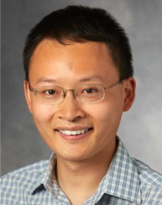 James Zou
Stanford University
United States
Introduced by: Teresa Przytycka
Time: Tuesday, July 22, 2025 at 09:00-10:00
Room: 1A
AI agents—large language models equipped with tools and reasoning capabilities—are emerging as powerful research enablers. This talk will explore how computational biology is particularly well-positioned to benefit from rapid advances in agentic AI. I’ll first introduce the Virtual Lab—a collaborative team of AI scientist agents conducting in silico research meetings to tackle open-ended research projects. As an example application, the Virtual Lab designed new nanobody binders to recent Covid variants that we experimentally validated. Then I will present CellVoyager, a data science agent that analyzes complex genomics data to derive new insights. Finally I will discuss using AI agents to discover and explain new biological concepts encoded by large protein foundation models (interPLM). I will conclude by discussing limits of agents and a roadmap for human researcher-AI collaboration.
James Zou is an associate professor of biomedical data science at Stanford University, where he develops cutting-edge machine learning and AI techniques for applications in genomics and biomedical research. His work spans algorithmic advancements, ethical AI in healthcare, and precision medicine.
James has made key contributions to deep learning for biological data, interpretable AI, and fair and robust machine learning models for clinical applications. His research helps bridge computational methods with real-world medical impact.
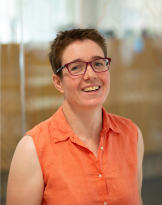 Charlotte Deane
University of Oxford
United Kingdom
https://www.stats.ox.ac.uk/~deane/
Introduced by: Carole Goble
Time: Wednesday, July 23, 2025 at 09:00-10:00
Room: 1A
The development of new therapeutics typically takes many years and requires over $1bn in investment. Computational methods and in particular, machine learning, have shown great promise for increasing the speed and reducing the cost of therapeutic development. In this talk I will describe some of the novel computational tools and databases we are pioneering from accurate rapid structure prediction to the prediction of their affinity and binding, looking at both their promise and limitations.
Charlotte Deane MBE is a Professor in the Department of Statistics at the University of Oxford and the Executive Chair of the Engineering and Physical Sciences Research Council (EPSRC).
From 2022 to 2023, Charlotte was Chief AI Officer at Exscientia, a biotech with ~450 employees, where she led its computational scientific development.
She served on SAGE, the UK Government’s Scientific Advisory Group for Emergencies, during the COVID-19 pandemic, and acted as UK Research and Innovation’s COVID-19 Response Director.
At Oxford, Charlotte leads the Oxford Protein Informatics Group (OPIG), who work on diverse problems across immunoinformatics, protein structure and small molecule drug discovery; using statistics, AI and computation to generate biological and medical insight.
Her work focuses on the development of novel algorithms, tools and databases that are openly available to the community. These tools are widely used web resources and are also part of several Pharma drug discovery pipelines. Charlotte is a member of several advisory boards and has consulted extensively with industry. Additionally, she has established a consulting arm within her research group as a way of promoting industrial interaction and use of the group’s software tools.
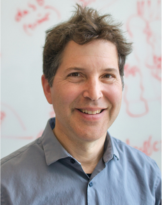 David Baker
University of Washington
United States
https://www.bakerlab.org/
Conversation with: Christine Orengo
Time: Thursday, July 24, 2025 at 16:20-18:00
Room: 1A
This special fireside chat features Nobel Laureate David Baker in a candid and inspiring conversation with Christine Orengo. Rather than exploring the technical details of his groundbreaking research, this 20-minute session will highlight the moments, mindsets, and motivations that shaped his journey—from early curiosity to Nobel recognition. Together, they’ll reflect on the role of creativity, perseverance, and vision in scientific discovery, offering insight and encouragement for the next generation of researchers.
Nobel Laureate David Baker is a professor of biochemistry, HHMI investigator, and the director of the Institute for Protein Design at the University of Washington School of Medicine. The Baker Lab develops protein design software and uses it to create molecules that solve challenges in medicine, technology, and sustainability. Among his recent work is the development of powerful machine-learning methods for generating functional proteins.
David is also an adjunct professor of genome sciences, bioengineering, chemical engineering, computer science, and physics at the University of Washington. He has published over 640 research papers, co-founded 21 companies, and been awarded more than 100 patents. Ninety of his mentees have gone on to independent faculty positions.
David is an elected member of the National Academy of Sciences and a recipient of numerous awards, including the 2024 Nobel Prize in Chemistry. TIME named him among the world’s 100 Most Influential People in health.
He received his PhD in biochemistry with Randy Schekman at the University of California, Berkeley, and did postdoctoral work in biophysics with David Agard at UCSF.
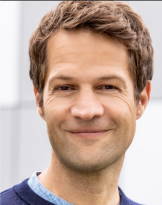 Fabian Theis
Helmholtz Munich
Germany
http://comp.bio
Introduced by: Predrag Radivojac
Time: Thursday, July 24, 2025 at 16:20-18:00
Room: 1A
Over the past decade, the field of computational cell biology has undergone a transformation — from cataloging cell types to modeling how cells behave, interact, and respond to perturbations. In this talk, I will review and explore how machine learning is enabling this shift, focusing on two converging frontiers: integrated cellular mapping and actionable generative models.
I’ll begin with a brief overview of recent advances in representation learning for atlas-scale integration, highlighting work across the Human Cell Atlas and beyond. These efforts aim to unify diverse single-cell and spatial modalities into shared manifolds of cellular identity and state. As one example, I will present our recent multimodal atlas of human brain organoids, which integrates transcriptomic variation across development and lab protocols.
From there, I’ll review the emerging landscape of foundation models in single-cell genomics, including our work on Nicheformer, a transformer trained on millions of spatial and dissociated cells. These models offer generalizable embeddings for a range of tasks—but more importantly, they set the stage for predictive modeling of biological responses.
I’ll close by introducing perturbation models leveraging generative AI to model interventions on these systems. As example I will show Cellflow, a generative framework that learns how perturbations such as drugs, cytokines or gene edits — shift cellular phenotypes. It enables virtual experimental design, including in silico protocol screening for brain organoid differentiation. This exemplifies a move toward models that not only interpret biological systems, but help shape them.
Fabian Theis is the Director of the Computational Health Center at Helmholtz Munich and a full professor at the Technical University of Munich. A leading expert in computational biology, he applies machine learning to biomedical data, with a particular focus on single-cell analysis and its implications for precision medicine.
Fabian’s work bridges AI, genomics, and healthcare, pioneering methods that drive biological discovery and advance our understanding of human health. His research has contributed to major breakthroughs in single-cell transcriptomics and the integration of deep learning into biomedical sciences.
Links within this page: Elixir/NIH-ODSS | DREAM | Publications - Navigating Journal Submissions | Innovation at the Intersection: Industry’s Role in Bioinformatics | Stewardship Critical Infrastructure | NIH Track on GenAI, Cyberinfrastructure, Digital Twins, and Quantum Computing | WEB
Biodata resources are essential to life science research, providing the infrastructure that supports data sharing, analysis, and discovery. However, maintaining reliable, long-lived services while adapting to rapidly changing scientific and technological landscapes presents an ongoing challenge. This session will bring together leading experts to examine how biodata resources are evolving to meet these demands. Through a series of insightful talks and discussions, we will explore how resource managers are driving innovation, ensuring sustainability, and addressing emerging needs in the global scientific community.
Structuring Meaning: Ontologies and Knowledge Graphs in the Biodata Ecosystem
Ontologies and knowledge graphs are foundational to ensuring that biodata resources are findable, interoperable, and adaptable to scientific innovation. This session highlights leading initiatives that embed semantic frameworks into the heart of biomedical data infrastructures.
Under the Hood: Building Scalable and Sustainable Biodata Infrastructure
Robust, scalable infrastructure is the engine that powers modern biodata resources — enabling everything from efficient data delivery to the integration of advanced analytical tools. This session delves into the evolving technical foundations that support biodata platforms at scale, with a focus on strategies that balance innovation, performance, and sustainability.
Demonstrating Value: Funding Models, Impact, and Engagement in Biodata Resources
Biodata resources are essential to the global life sciences research ecosystem, but their long-term sustainability depends on more than technical excellence — it requires clear demonstrations of value, alignment with evolving user needs, and innovative funding strategies. This session brings together diverse perspectives on how biodata infrastructures can remain responsive and resilient in resource-constrained environments.
The DREAM Challenges are crowd-sourcing to solve complex biomedical research questions.
Together, we share a vision to enable individuals and groups to collaborate openly so that the 'wisdom of the crowd' provides the greatest impact on science and human health. Over sixty crowd-sourced DREAM Challenges have benchmarked informatic algorithms in biomedicine. DREAM has had over 30,000 cross-disciplinary participants from around the world that have volunteered as solvers. Over 105 academic journal publications have resulted from DREAM Challenges covering a range of disease areas.
Learn more about the DREAM process - Pose > Prepare > Engage > Evaluate > Share
click to download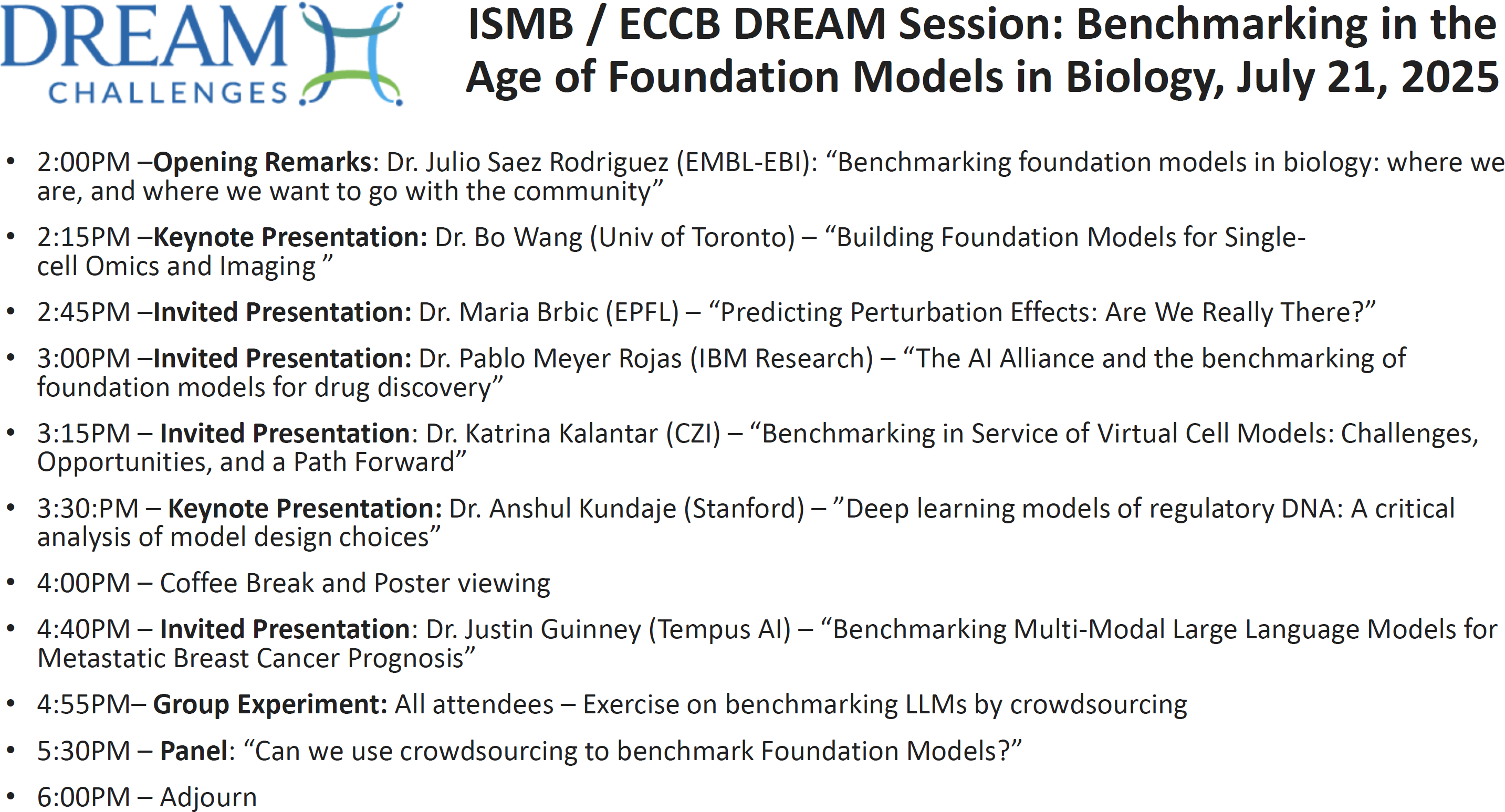
click to download
Coming soon.
Coming soon.
Coming soon.
This full-day track will explore the transformative potential of cloud and emerging technologies in biomedical research, focusing on quantum computing, digital twins, artificial intelligence (AI), and NIH cloud cyberinfrastructure initiatives. Hosted by the National Institutes of Health (NIH) Office of Data Science Strategy (ODSS) and Center for Information Technology (CIT), the session aims to bridge cutting-edge research and practical applications in areas like drug discovery, precision medicine, and personalized healthcare. It will bring together researchers, practitioners, and technology leaders to discuss the latest advancements and how they can revolutionize biomedical research and clinical applications.
Coming soon.
Links within this page: Materials | Key Dates | Submission Guidelines | Review Process
The purpose of the Tutorials program is to build knowledge and provide hands-on training in "cutting-edge" topics relevant to the bioinformatics field and the COSI communities. Tutorials offer participants an opportunity to get an introduction to important established topics in bioinformatics, to learn about new areas of bioinformatics research, or to develop advanced skills in areas about which they are already knowledgeable.
Tutorials may include any form of presentation such as brief talks or panel discussions but should include hands-on exercises. Tutorials serve an educational function and are expected to provide a balanced perspective on a field of research. They should not focus on the presenters' own research or software, unless balanced with other tools in the same realm. However, tutorials on broadly used bioinformatics tools will be considered. Please note that if you wish to focus your talk on a demo of a specific software package, your proposal should be submitted to the Technology Track.
This call is an open invitation to scientists and professionals working in the fields of bioinformatics and computational biology to submit high quality proposals for Tutorials at ISMB/ECCB 2025.
The conference organizers are able to offer a complimentary conference registration for up to 3 tutorial presenters. Tutorial organizers may choose to share the value of the complimentary registration if the tutorial has additional presenters.
The tutorial speakers agree to provide participants with teaching materials that include:
Potential topic areas (a list of Tutorials presented in 2024 is available here) may include but are not limited to the following:
Tutorials can be planned to be either in-person or fully online, but should not be hybrid. (eg. tutorial presenters and participants should either be fully online or in-person). There is a set limit on the number of in-person tutorials but less limit on the number of selected virtual tutorials.
Tutorials presented in-person will be held on July 20, 2025. Tutorials presented online will be held on a weekday prior to the conference start. If submitting an online tutorial proposal you will be asked to confirm your preferred time zone for presentation.
Tutorials timing for full-day or half-day sessions:
In-person:
July 20, 2025 (British Summer Time - BST)
Full Day Schedule: 9:00 am - 6:00 pm, (10:45-11:00 am Coffee; Lunch Break 1:00 pm - 2:00 pm; Coffee Break at 4:00 - 4:15 pm)
Half Day Schedule: 9:00 am - 1:00 pm (Break at 10:45-11:00 am) or 2:00-6:00 pm (Break at 4:00 - 4:15 pm)
Virtual:
July 14-15, 2025 (British Summer Time - BST)
Full Day Schedule: 9:00 am - 4:00 pm (10:30-10:45am, 12-1pm, and 2:30-2:45pm)
Half Day Schedule: 9:00 am - 1:00 pm (Breaks at 10:30-10:45am and 11:45am-12:00pm) or 2:00-6:00 pm (Break at 3:30-3:45pm and 4:45 - 5:00 pm)
Tutorial proposals should contain the following information in a maximum of 4 pages:
The final proposal must be uploaded as a PDF file only.
During the submission process to provide a brief description of the tutorial that will be used on the website to promote it to delegates, and to confirm that if selected, you will submit draft and final tutorial materials for committee review by the listed deadlines.
Correspondence from prospective instructors should be sent to:
All tutorial submissions will be evaluated by a committee, which will consider the following criteria:
Successful tutorial proposals will be notified by Tuesday, January 28, 2025, (no later than 17:00 Eastern Time (ET).
Links within this page: Fees | Key Dates | Submission Guidelines | Review Process
To conduct a Technology Track presentation, organizations must complete the on-line sign-up form including a brief description (50 words maximum) of the talk and a one (1) page Technology Track presentation overview (PDF) which will provide the delegate with additional details about the technology being presented and include a one page CV of the presenter as related to the topic. The presenter of the Technology Track must be a registered and paid delegate of the conference.
Prior to submitting please review the ISCB Exhibitor and Technology Track guidelines for presentations available here.
The Technology Track allows organizations to showcase their software and/or hardware relevant to the bioinformatics/molecular biology community.
For a variety of reasons, ISCB strongly prefers that talks accepted for oral presentation be presented in-person at the conference venue. Of course, we understand that some presenters will have good reasons to avoid in-person attendance. ISCB will grant remote presentation options for reasons associated to maternity/paternity leave, care for a family member, personal/medical disability, sickness, financial hardship, or potential visa problems. If your research is accepted for oral presentation and you are unable to present in person, ISCB requires notification at the time of acceptance. If unable to participate you will need to request a waiver by writing
The cost to present a Technology Track is:
For-profit organization 20 minutes: $2000 USD
For-profit organization 40 minutes: $3000 USD
Not-for-profit organization 20 minutes: $620 USD
Not-for-profit organization 40 minutes: $840 USD
Presentations occur as part of the parallel track system. Individual time slots are on a 20 minutes schedule (3 talks per hour).
Within your time slot, you are at liberty to demonstrate your software in any way that you see fit: for example, you can combine one or more structured talks with live demos and question-and-answer sessions.
All submissions will be reviewed by the Technology Track selection committee and notification of acceptance will be forwarded no later than May 20, 2024. Technology Track presenters will be contacted by the conference organizers regarding presentation acceptance, Technology Track schedule, logistics, and payment. Payment should not be made until organizations receive notification of acceptance.
For information on Technology Tracks contact