











Links within this page: Richard Durbin | Olga Troyanskaya | Carlos D Bustamante | Partha P Majumder | Marinka Zitnik
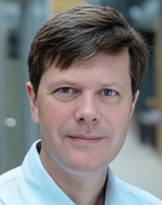 ISCB 2026 Accomplishments by a Senior Scientist Award Winner: Richard Durbin
University of Cambridge
United Kingdom
Time: Sunday, July 12, 2026 -
Room: International Ballroom - Center
More applications of the Burrows-Wheeler transform in computational genomics
I will discuss a series of applications of the Burrows-Wheeler transform, based on suffix sorting, for sequence matching and compression in computational genomics. Initial applications, as in bwa with Heng Li, were for finding maximal exact matches as an alternative to fixed length seeds based on hashing for sequence read mapping. Next the Positional Burrows-Wheeler Transform (PBWT) incorporating run-length encoding gave both excellent compression and very fast maximal matching of haplotype sequences; this underlies most modern genotype imputation tools. More recently, the Graph Burrows-Wheeler Transform (GBWT) was introduced to provide path indices over pangenome graphs, again providing both compression and efficient search. Finally, I will describe a new dynamic GBWT framework based on doubly-linked skip lists that when implemented over a sparse de-Bruijn graph enables rapid O(log_N) time insertion and matching, supporting single-threaded pangenome graph construction and indexing at ~15 seconds per gigabase.
Biography
Richard Durbin has worked for over 30 years in computational genomics. He started with a BA in Mathematics from Cambridge (1982), then switched to biology for his PhD on C. elegans neural development at the MRC Laboratory of Molecular Biology. After a short postdoc in neural modelling, he joined John Sulston and colleagues in 1990 at the start of the genome sequencing project, both developing and applying a variety of computational tools and approaches for genome assembly and analysis. After completion of the initial human genome, and helping establish Pfam and Ensembl, he co-led the 1000 Genomes Project to provide a foundation reference for human sequence diversity, along the way leading the development of computational tools still widely used for studying sequence variation (including bwa, BAM files, VCF format).
In 2017, Richard moved to the Department of Genetics, University of Cambridge, where he and his group have applied computational and evolutionary genomics approaches to speciation in the Lake Malawi cichlid fish radiation, ancient DNA , statistical genetics methods for demographic inference, and pangenome and genome assembly methods. Recently, he has been involved in efforts to extend reference genome sequencing across the diversity of life and has come to appreciate how important mobile elements are in genome and potentially species evolution, making these a new focus for his research.
Richard was elected a Fellow of the Royal Society in 2004, a member of the European Molecular Biology Organisation in 2009, and an International Honorary Member of the American Academy of Arts and Sciences in 2019. He received the Gabor Medal of the Royal Society in 2017 and the International Prize for Biology in 2023.
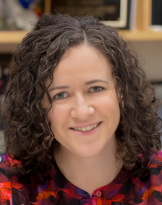 ISCB 2026 Innovator Award Winner: Olga Troyanskaya
Princeton University
United States
Time: Monday, July 13, 2026
Room: International Ballroom - Center
Toward Predictive Models of Human Biology and Disease
A central goal of precision medicine is to develop predictive, mechanistic models of human health and disease that connect molecular processes to organismal physiology and clinical outcomes. Achieving this requires integrating information across scales—from genomic sequence and regulatory programs to cellular systems, organs, and longitudinal phenotypes—within models that are both mechanistically grounded and predictive. In this talk, I will describe AI frameworks that connect sequence, regulation, multi-omic networks, and biological context into unified representations of dynamic biological systems. These include models that interpret genomic variation through its biochemical and regulatory effects, network-aware approaches that perform in silico genetics by modeling how perturbations propagate through cellular circuits and pathways, and genetics-informed models of phenotype that link molecular programs to disease heterogeneity and trajectories. These purpose-built, multimodal, and multi-scale approaches integrate genomic, molecular, and clinical data to uncover drivers of disease, define biologically grounded subtypes, and predict outcomes across diverse contexts, including cancer, autism, and chronic kidney disease. The next frontier lies in combining these multi-scale models with verifiable, agentic AI systems that can reason over biological evidence, support hypothesis generation and testing, and enable transparent, reproducible scientific discovery.
Biography
Olga Troyanskaya is the founding Director of Princeton Precision Health and the Maduraperuma/Khot Professor of Computer Science and Integrative Genomics at Princeton University, and the Deputy Director of Genomics at the Flatiron Institute. Her research builds trustworthy, large-scale AI systems for scientific and clinical discovery, integrating massive, heterogeneous biological datasets. Her group pioneered deep learning and foundation-style models for whole genome interpretation and recently focuses on verifiable, agentic AI that grounds reasoning in primary data and explicitly validates claims. She received her Ph.D. from Stanford University and is an ACM and ISCB Fellow.
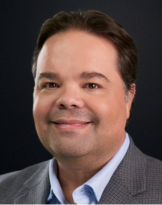 Carlos D. Bustamante
Founder and CEO of Galatea Bio
United States
Introduced by: Judith Blake
Time: Tuesday, July 14, 2026
Room: International Ballroom - Center
Enabling Precision Health at Scale for All
Advances in genomics, AI/ML, and large-scale health data are creating unprecedented opportunities to improve human health. Realizing the promise of precision health will require powering learning health systems that engage millions of people from diverse populations longitudinally.
In this keynote, I will share lessons from building large genomic resources, developing AI-driven approaches to genotype-to-phenotype discovery, and forging partnerships across academia, healthcare, industry, and government. I will discuss how these efforts are laying the foundation for a future in which precision health is scalable, equitable, and accessible to all.
Biography
Dr. Carlos Bustamante is one of the world’s foremost thought leaders in population genetics and genomics and brings immense knowledge and relationships key to the company’s success. A leading academic in the field of medical and population genomics, his background includes roles as a Venture Partner at F-Prime Capital, SAB member with Digitalis Ventures, Founder of Arc Bio, advisor to numerous startups, and former Professor of Genetics / Biomedical Data Science at Stanford University (now adjunct). Dr. Bustamante was also awarded a MacArthur Fellowship in 2010 for his contributions to population genetics (mining DNA sequence data to address fundamental questions about mechanisms of evolution, origins of human genetic diversity, and patterns of population migration).
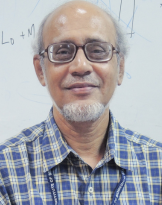 Partha P Majumder
John C. Martin Centre for Liver Research & Innovations
India
Introduced by: Laxmi Parida
Time: Wednesay, July 15, 2026
Room: International Ballroom - Center
Uncovering the Palimpsest of India's Population History Using Genome-Scale Analysis: Implications for Disease Epidemiology
Robust reconstruction of human population history has been possible because of major advances in molecular, computational and statistical genetics. The ability to determine DNA sequences of a large number of humans and to study the sequence variation by calibrating the rate of accumulation of changes with evolutionary time has enabled robust inferences about our population history. These data indicate that (a) ancestors of all present-day people, i.e., modern humans and other humans, evolved in Africa about 600,000 years ago; (b) a large group of humans came out of Africa and evolved as Nearderthals, Denisovans and other archaic humans; (c) modern humans evolved in Africa and spread out within Africa, and (d) modern humans started to come out of Africa about 100,000 years ago, and admixed with both Neanderthals and Denisovans. After modern humans emerged out of Africa, one of the first waves of migration entered India. Contemporary India has a rich tapestry of cultures and ecologies. There are about 400 tribal and more than 4000 groups of castes and subcastes, all largely endogamous, speaking languages that belong to four major linguistic families. We shall provide genomic evidence of how India may have been peopled, the nature and extent of its genomic diversity, and genomic structure among the extant populations of India. We shall then provide a narrative, with evidence, of how the genomic diversity may have impacted on disease epidemiology – susceptibility to disease and response to treatment.
Biography
Partha P. Majumder is a Distinguished Professor of the John C. Martin Centre for Liver Research & Innovations, Kolkata; and, an Emeritus Professor of the Indian Statistical Institute. Until recently, he was a National Science Chair in India. He has made significant contributions to human-, statistical- and population genetics and genomics. He has developed methodologies for mapping human disease genes, identified genomic factors underlying many diseases notably oral cancer, and has reconstructed the ancestries and relationships of ethnic populations groups of India and Asia using genomic methods. He has immensely contributed to capacity-building in human and statistical genetics in India. He has founded the National Institute of Biomedical Genomics, India.
He is an elected Fellow of all the three national science academies of India, The World Academy of Sciences (TWAS) and the International Statistical Institute. He has served as the President of the Indian Academy of Sciences and of the West Bengal Academy of Science & Technology.
He is a Member of the Executive Committees of the international Human Cell Atlas consortium and the International Common Disease Alliance. He serves as an expert on genomics for the World Health Organization.
He has received many awards and honours, including the G.N. Ramachandran Gold Medal (2021) of the Government of India; Barclay Memorial Medal (2020) of The Asiatic Society; Golden Jubilee Commemoration Medal (2018) of the Indian National Science Academy; TWAS Prize in Biology (2009) of The World Academy of Sciences, Trieste.
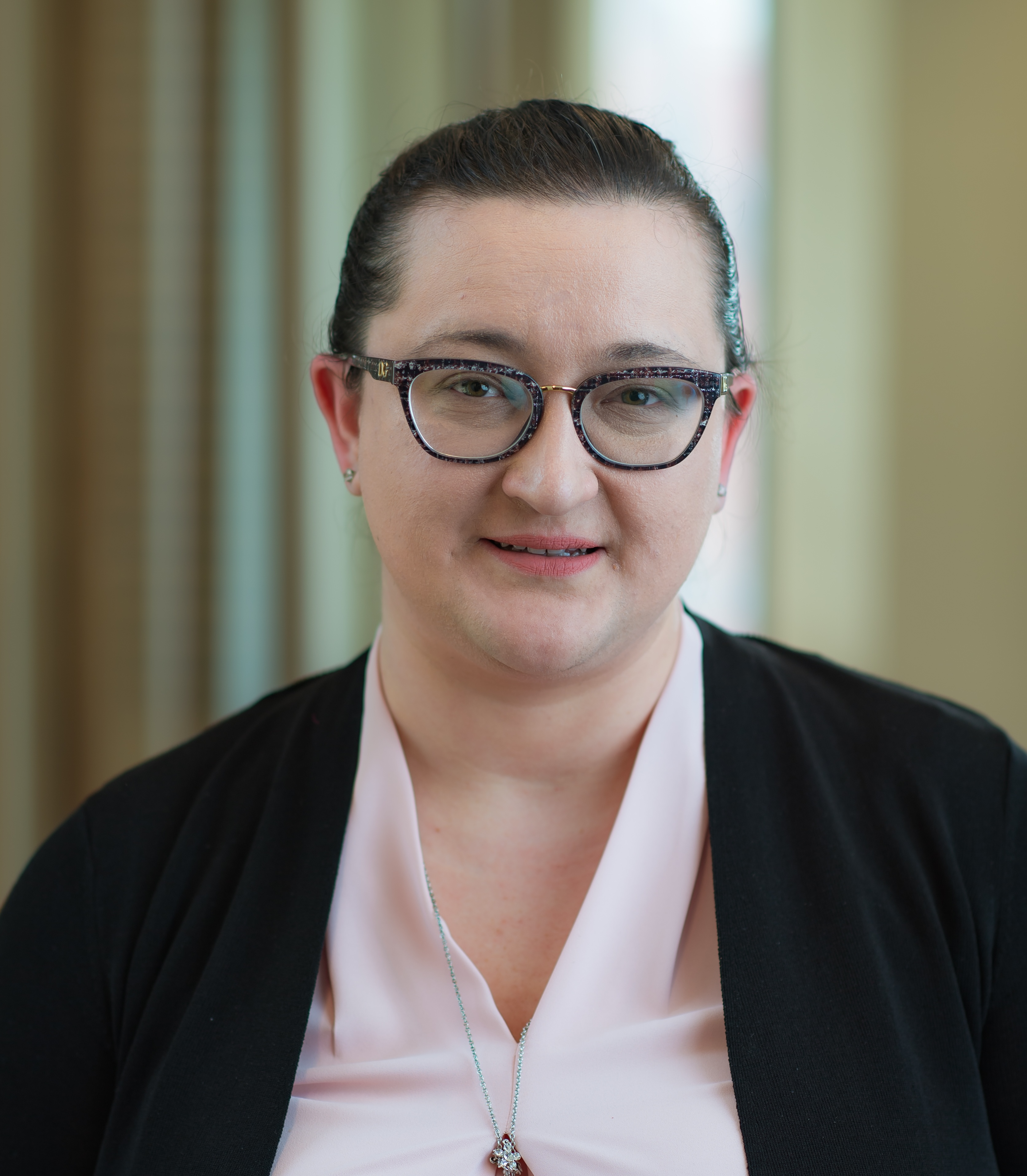 ISCB 2026 Overton Prize Winner: Marinka Zitnik
Harvard Medical School
United States
Introduced by: Ana Conesa
Time: Thursday, July 16, 2026
Room: International Ballroom - Center
Foundations of Human-AI Co-Science
AI scientists are AI systems that reason, hypothesize, and experiment alongside human researchers. In this talk, I will show how human-AI co-science is emerging through three capabilities: understanding disease, discovering interventions, and reasoning about treatments. Across these settings, we evaluate AI through discovery loops that pair AI with experiments in biological and clinical labs. I will begin with disease understanding. Foundation models trained on multimodal relational data predict disease mechanisms that are difficult to identify from any single dataset. Drawing on studies of Parkinson disease, bipolar disorder, and Alzheimer disease, I will show how these models generate hypotheses about disease mechanisms and therapeutic opportunities that are evaluated in vitro, in vivo, and through longitudinal health trajectories of five million patients. I will then turn to intervention discovery. AI scientists search large experimental spaces to identify therapeutic targets, predict synthetic lethal interactions in cancer, and model personalized responses to immunotherapy. Finally, I will discuss treatment reasoning. Therapeutic decisions require integrating disease context, comorbidities, medications, and biomedical evidence. I will present AI scientists that combine language models with biomedical tools to reason about treatments developed over the past century. We evaluate these systems through blinded expert assessments in rare diseases, real-world treatment decisions, and population-scale analyses of longitudinal health records. These systems define a foundation for human-AI co-science. They are powered by scientific environments that connect language models to an open universe of scientific tools, democratizing AI scientists.
Biography
Marinka Zitnik is an Associate Professor of Biomedical Informatics at Harvard Medical School, Associate Faculty at the Kempner Institute for the Study of Natural and Artificial Intelligence at Harvard University, and an Associate Member at the Broad Institute of MIT and Harvard. Zitnik investigates the foundations of AI that contribute to the scientific understanding of medicine and therapeutic design, with the goal of enabling AI to learn and innovate on its own. Her research has received numerous awards, including Kavli Fellowship of the National Academy of Sciences, NSF CAREER Award, and awards from the International Conference on Machine Learning, Bayer Early Excellence in Science, Amazon Faculty Research, Google Faculty Research, Roche Alliance with Distinguished Scientists, and Sanofi iDEA-iTECH. Zitnik founded Therapeutics Data Commons, a global open-science initiative to evaluate AI across stages of development and therapeutic modalities. Through the AI4Science initiative, she develops foundation models, benchmarks, and open datasets to empower discovery across biology and medicine.